
Quick Answer
A caregiver is anyone who provides help and support to a person who cannot fully care for themselves due to age, illness, or disability. Caregivers range from family members helping an aging parent at home to trained professionals hired through a home care agency. Whether paid or unpaid, a home caregiver assists with daily tasks like bathing, meals, mobility, and companionship — helping people live safely and comfortably where they feel most at home.
What Does "Caregiver" Really Mean?
The caregiver definition is broader than most people realize. At its simplest, a caregiver is a person who helps someone else manage everyday life when they can't do it entirely on their own. That help might be physical, emotional, or practical — and it happens in homes, hospitals, and communities every single day.
In Canada, caregiving is woven into the fabric of daily life. According toStatistics Canada (2024), 13.4 million Canadians — roughly 42% of the population — provide some form of unpaid care to children or adults.
Among those caring for older adults specifically, unpaid caregivers deliver an estimated75% of all home care services, contributing between $24 billion and $31 billion in unpaid labour each year.
Caregivers generally fall into two categories.Informal caregiversare family members, friends, or neighbour's who provide care out of personal connection a daughter helping her mother with groceries, a spouse managing medication schedules, or a neighbour checking in daily.Formal caregiversare trained, paid professionals who deliver care through an agency or as independent workers. These include Personal Support Workers (PSWs), home health aides, and companions.
What distinguishes a home caregiver from a nurse or therapist is scope. Caregivers focus primarily on non-medical support- personal hygiene, meal preparation, light housekeeping, transportation, and emotional companionship.
When medical needs are involved wound care, IV medications, clinical assessments, a Registered Nurse or Registered Practical Nurse steps in. In practice, many families use both a caregiver for daily support and a nurse for clinical visits.
TheFamily Caregiver Alliancedefines a formal caregiver as a provider associated with a formal service system, whether paid or volunteer, whileMedlinePlusnotes that caregivers may give care at home, in a hospital, or from a distance.
Understanding what a caregiver is sets the stage for a more specific question: when does informal family support need to be supplemented — or replaced — by a trained professional?
Caregiver vs. Professional Caregiver: What's the Difference?
The word "caregiver" is an umbrella term — it covers everyone from a spouse helping with daily routines to a certified Personal Support Worker (PSW) hired through an agency. Understanding the distinction helps families make informed decisions about care.
Family or informal caregiversare unpaid individuals who provide care based on a personal relationship. They learn as they go, often without formal training, and their scope is whatever needs doing — from cooking meals to helping with bathing to providing emotional support.
The vast majority of caregiving in Canada falls into this category. Family caregivers do essential work, but they often lack the training, resources, and backup that professionals have access to.

Professional caregivers, such as Personal Support Workers, are trained and — in Ontario — work within a defined scope of practice. PSWs complete a recognized training program (typically 600+ hours) covering personal care techniques, safe transfer and mobility assistance, infection control, dementia care, and client communication.
Many hold certificates from accredited colleges and are hired through regulated home care agencies that provide oversight, liability coverage, and quality assurance.

The key differences come down to training, accountability, and scope:
- Training:A PSW has formal education in safe caregiving techniques. A family caregiver typically learns through experience, which can lead to gaps or injury when care needs become complex.
- Accountability:Professional caregivers working through an agency are supervised, documented, and replaceable if something goes wrong. Family caregivers operate without that structure.
- Scope:PSWs are trained to assist with a wide range of personal care tasks safely and consistently. They also know when a situation exceeds their scope and requires a nurse or other professional.
- Boundaries:A professional caregiver maintains appropriate boundaries and focuses on the client's needs. Family dynamics can complicate caregiving relationships in ways that professional care avoids.
Many families use a combination- a professional caregiver handles scheduled personal care visits while family members provide companionship, transportation, and oversight. This model gives the care recipient consistent, skilled support while preventing family caregiver burnout.
With that distinction in mind, it helps to understand what qualities define effective caregiving — regardless of whether the caregiver is a family member or a professional.
Key Characteristics of a Caregiver
- Focused on daily living:Caregivers assist with Activities of Daily Living (ADLs) the essential tasks of personal care including bathing, dressing, eating, toileting, and mobility. They also help with Instrumental Activities of Daily Living (IADLs) like cooking, cleaning, managing finances, and arranging transportation.
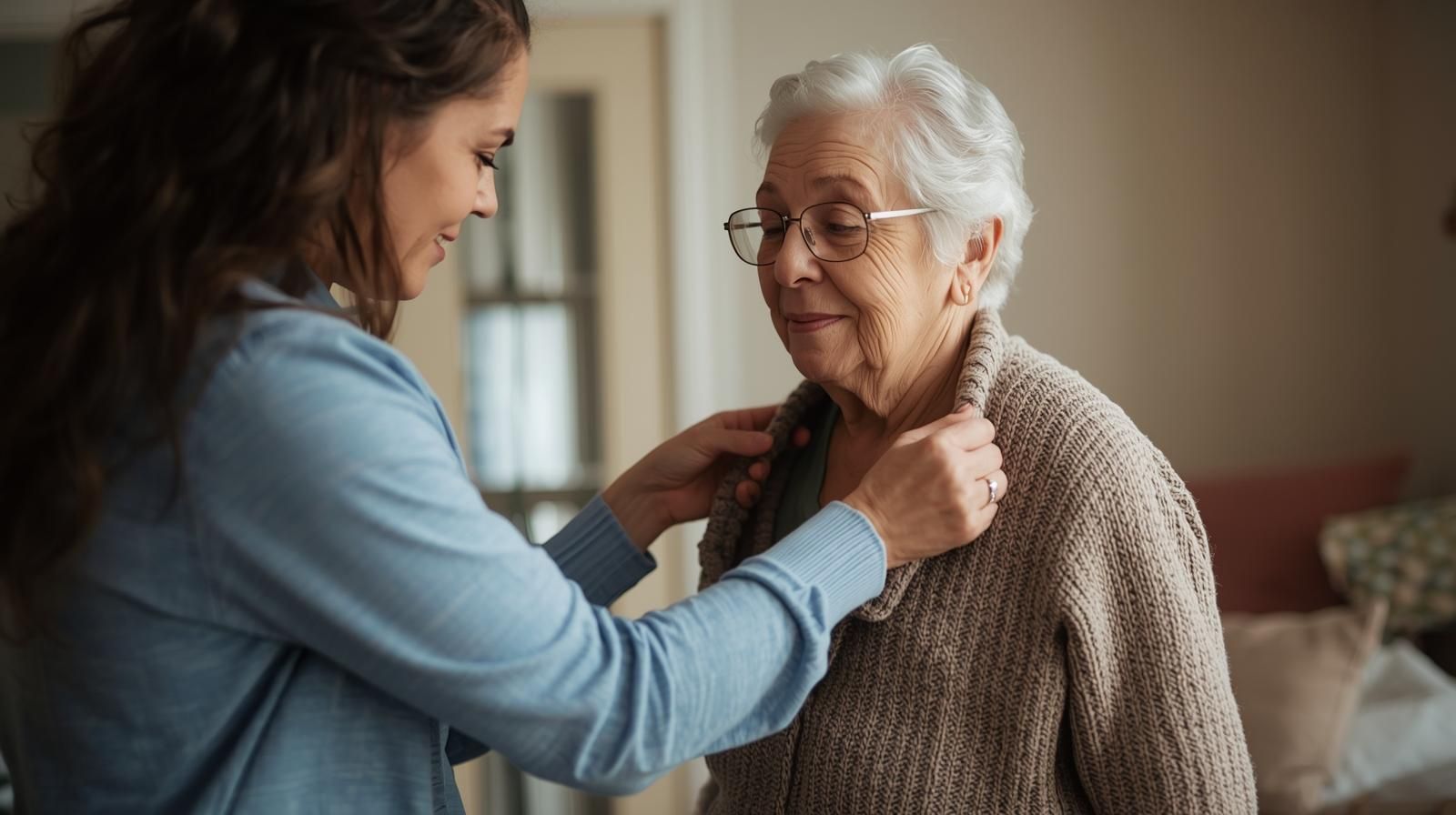
- Relationship-centered:Unlike clinical providers who rotate through patients, a home caregiver often works with the same person consistently, building trust and understanding their routines, preferences, and personality.
- Adaptable and observant:Good caregivers notice subtle changes a shift in appetite, increased confusion, a new difficulty with stairs and communicate those observations to families and healthcare providers.
- Emotionally present:Companionship is a core part of the role. For many older adults living alone, a caregiver may be their primary source of social interaction, which research consistently links to better mental and physical health.
- Versatile across settings:Caregivers work in private homes, retirement residences, assisted living facilities, and hospitals. Home-based caregiving is the most common and fastest-growing setting.
These qualities matter because caregiving is not a one-size-fits-all role. The people who benefit most from caregiver support are as varied as the care itself.
Who Needs a Caregiver?
Older adults aging in place:With93% of older Canadians living at homeand the vast majority wanting to stay there, caregivers make independent living possible for seniors who need help with daily routines but don't require full-time medical care.
People recovering from surgery or illness:After a hospital discharge, a caregiver can help with mobility, meals, hygiene, and medication reminders during the recovery period.
Individuals with chronic conditions:Those living with Alzheimer's, Parkinson's, multiple sclerosis, or other progressive conditions often need increasing levels of daily support over time.
Family caregivers who need a break:Nearly2 in 5 unpaid caregivers of older adults report distressincluding exhaustion, depression, and guilt. Professional caregivers provide respite, giving family members time to recharge without compromising their loved one's care.

Anyone needing companionship:Social isolation is a serious health risk for older adults. A caregiver provides meaningful human connection alongside practical support.
Once a family recognizes the need for support, the next question is practical: how does professional home caregiving actually work?
How Caregiving Works in the Home
Needs assessment:A reputable agency begins with an in-home evaluation to understand the client's physical abilities, daily routines, medical conditions, and personal preferences.
Care plan development:Based on the assessment, a personalized care plan outlines which tasks the caregiver will handle, how often visits occur, and what goals the care supports, whether that's maintaining independence, recovering from surgery, or simply ensuring safety.
Caregiver matching:Agencies match clients with caregivers based on skill set, personality, language, and schedule compatibility.Consistency matters, the same caregiver visiting regularly builds familiarity and trust.
Flexible scheduling:Home caregiving adapts to what's needed. Some clients require a few hours of help each week; others need daily visits or around-the-clock support. Care plans evolve as needs change.
Ongoing communication:Professional caregivers document each visit and report observations to the care team, keeping families informed and ensuring nothing is missed.
Benefits and Importance
Caregivers solve a fundamental problem: The gap between what someone can do independently and what they need to live safely and with dignity. For older adults, that gap tends to widen gradually and a caregiver fills it before a crisis forces a more drastic change like a move to institutional care.

The benefits are well-documented. People who receive home caregiving maintain greater independence, experience less social isolation, and report higher quality of life.
Families benefit too:Professional caregivers reduce the physical and emotional toll on family members who might otherwise shoulder all responsibilities alone. And from a system perspective, home-based caregiving keeps people out of hospitals and long-term care facilities, reducing pressure on an already strained healthcare system.
Of course, accessing professional caregiving involves practical considerations — including cost, funding options, and how to navigate the system.
Considerations and Costs
In Ontario, professional home care through an agency typically costs between$20 and $30 per hourfor personal support, companionship, and homemaking services. However, the actual rate your family pays depends on several factors.
- Experience and specialization:A PSW with advanced dementia care training or complex medical support experience typically commands a higher rate than an entry-level worker.
- Shift timing:Evening, overnight, and weekend shifts are generally priced higher than standard daytime hours due to premium pay requirements.
- Care complexity:Clients with higher physical needs — such as two-person transfers, catheter care, or behavioural support — may require specialized staff at a higher rate.
- Public vs. private funding:Ontario Health atHome (formerly CCACs) provides publicly funded personal support hours for eligible individuals, but service is often limited and wait times can be significant. Private agencies offer faster access and greater scheduling flexibility, typically at full market rates.
When evaluating costs, it helps to compare the full picture. Home caregiving is typically far less expensive than assisted living or long-term care facilities — and it allows the person to remain in their own home, which most Canadians strongly prefer. Some extended health insurance plans and veterans’ benefits also cover home caregiving services, so it is worth reviewing your coverage before assuming the full cost falls to you.
How to Get Started
At Haven at Home, we start with a free, no-obligation consultation to understand your situation or your loved one's. We assess care needs, discuss preferences, and recommend the right level of support. Whether you need a few hours of companionship each week or daily personal care assistance, we match you with a qualified, compassionate caregiver and build a plan that works for your family.
Contact Haven at Home todayto schedule your free consultation.
Frequently Asked Questions
What's the difference between a caregiver and a nurse?
A caregiver provides non-medical support help with bathing, meals, mobility, companionship, and household tasks. A nurse (RN or RPN) is licensed to perform clinical procedures like wound care, medication administration, and medical assessments. Many clients benefit from both working together.
Can a family member be considered a caregiver?
Absolutely. In Canada, the majority of caregiving is done by unpaid family members and friends. If you're regularly helping a loved one with daily tasks, you are a caregiver and support services exist to help you manage that role.
How many hours of care can I get through a home care agency?
This depends entirely on your needs. Home caregiving is flexible from a few hours per week to full-time, live-in support. A good agency will customize the schedule to fit your situation.
Is home caregiving covered by OHIP or insurance?
Ontario's public home care program covers some personal support hours for eligible individuals, though availability is limited. Many private insurance plans and veterans' programs also provide coverage. A free consultation can help you understand your options.
How do I know if my loved one needs a caregiver?
Common signs include difficulty with personal hygiene, missed meals, trouble managing medications, increasing falls, social withdrawal, or a noticeable decline in housekeeping. If daily tasks are becoming harder, it's worth having a conversation about support.
Related Topics
What Is a Personal Support Worker (PSW)?— PSWs are the most common type of professional home caregiver in Ontario. This article explains their training, scope of practice, and how they differ from nurses — essential reading if you are considering hiring professional support for a family member.
What Is Respite Care?— Respite care provides temporary relief for family caregivers who need a break. If you are currently caring for a loved one yourself, understanding respite options can help you avoid burnout and sustain your caregiving role over the long term.
What Is a Home Care Assessment?— Before professional care begins, most agencies conduct a structured needs assessment. This article explains what to expect during that process, what questions to ask, and how the results shape your personalized care plan.
Take the Next Step
A caregiver is more than a helper — they are a lifeline for individuals and families navigating the challenges of aging, illness, or disability. The right caregiver does not just fill a gap in daily tasks; they restore confidence, preserve dignity, and give families peace of mind. Whether you are exploring professional support for the first time or looking to supplement the care a family member already provides, the decision to bring in a caregiver is one of the most meaningful steps a family can take.
Haven at Homeconnects families across the Greater Toronto Area with qualified, compassionate caregivers who make a real difference right where it matters most. Contact us today for a free consultation.
📞Contact Haven at Home| 🌐 [www.havenathome.ca](http://www.havenathome.ca)
Related Reading
- What is a Personal Support Worker (PSW)?— the most common type of professional caregiver
- In-Home Physiotherapy FAQ: Your Questions Answered— how physiotherapy supports home care
- How In-Home Physiotherapy Works: What to Expect at Your First Visit— what a professional home visit looks like
Looking for caregiving support in Toronto?Call416-795-0373to discuss your needs.