
Quick Answer
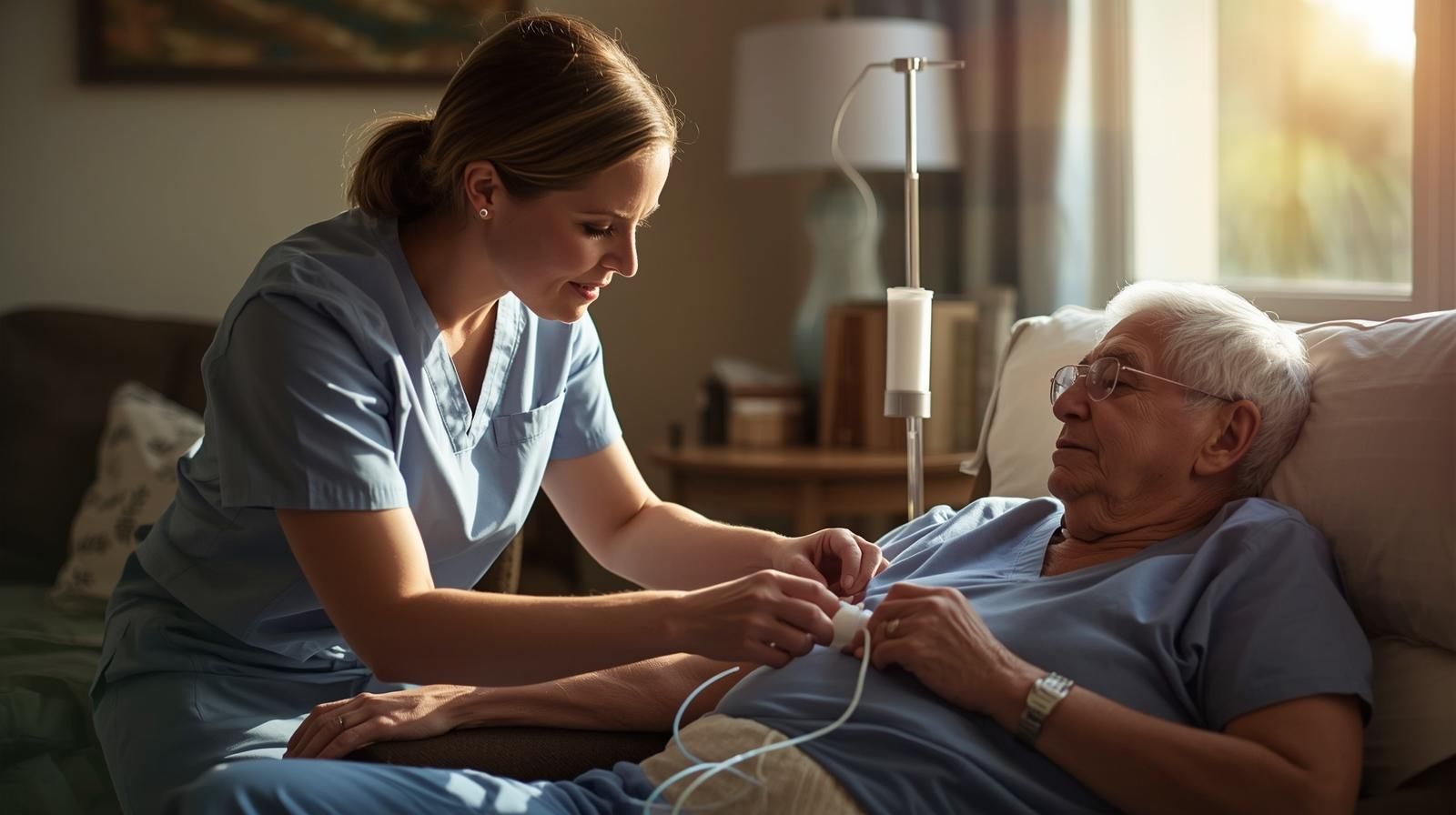
A Registered Nurse (RN) in home care is a licensed healthcare professional who delivers skilled medical services directly in a patient's home. Instead of working in a hospital, a home health nurse travels to you, providing everything from wound care and medication management to chronic disease monitoring. RN home care brings hospital-level clinical expertise to your living room, so you or your loved one can heal and thrive in a familiar, comfortable environment.
What Does RN Home Care Really Mean?
When most people hear "nurse," they picture a hospital hallway. But a growing number of Registered Nurses now practice exclusively in the home setting, and it's one of the fastest-growing areas of healthcare.
A registered nurse home care provider has completed an accredited nursing education program and holds an active license from their provincial regulatory body. In Ontario, that means registration with theCollege of Nurses of Ontario (CNO), the only body authorized to license nurses in the province.
What sets an RN apart from a Personal Support Worker (PSW) is clinical scope. RNs perform medical assessments, administer medications, manage IV lines, provide wound care, and make independent clinical decisions. According toNevada State University's School of Nursing, home care nurses work autonomously and must be confident making clinical judgments without the immediate backup of a hospital team.
The demand is surging.Statistics Canada reportsthat over 7.6 million Canadians are now aged 65 or older. A2024 National Institute on Ageing studyfound that 91% of older adults in Canada prefer to age at home. RN home care makes that preference a medically supported reality.
Key Characteristics of a Home Health Nurse
Understanding what makes a home health RN distinctive helps families know exactly what to expect when care begins.
Licensed clinical authority:Home care RNs hold the same provincial license as hospital nurses and can perform controlled acts that PSWs and unregulated caregivers cannot.
Independent practice:Unlike hospital settings with teams of specialists nearby, a home health nurse operates autonomously, assessing situations and making clinical decisions on-site.
Personalized one-on-one care:Rather than managing a ward, an RN focuses on one client at a time, enabling deeper relationships and more individualized care plans.
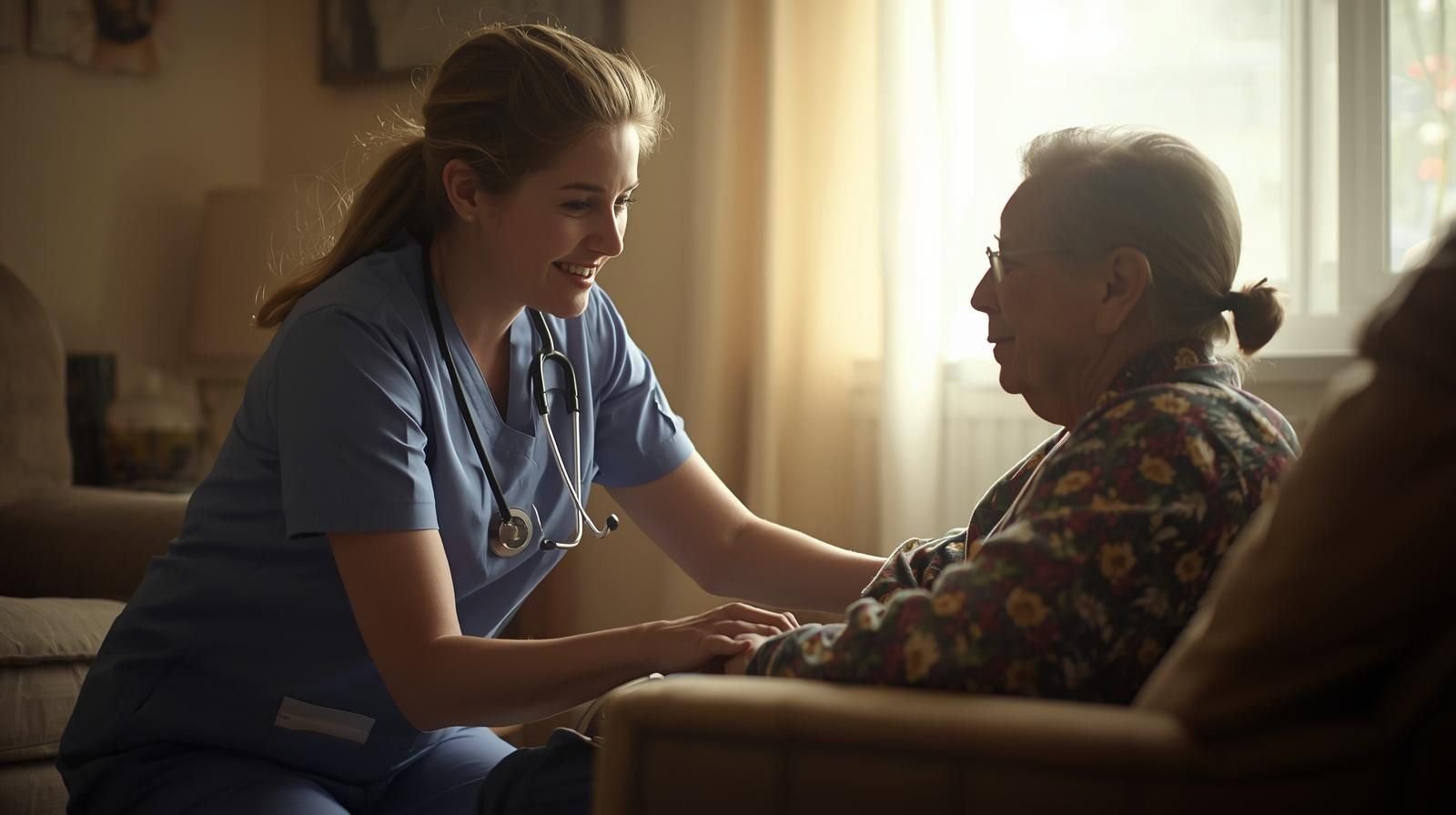
Coordination role:Home care RNs link patients, families, physicians, and other providers, communicating condition changes and ensuring continuity across the entire care team.
Education and advocacy:Beyond hands-on care, RNs teach patients and families about managing conditions and recognizing warning signs between visits.
Who Needs a Registered Nurse at Home?
RN home care serves a wide range of patients — from newborns with complex needs to seniors managing multiple chronic conditions. Here are the most common situations where a home health nurse makes a meaningful difference.
Seniors aging in place:Older adults managing chronic conditions like diabetes, heart failure, or COPD. WithOntario's 80+ population projected to nearly double by 2040, this is the fastest-growing group needing home nursing.
Post-surgical patients:Anyone recovering from surgery who needs wound care, drain management, or medication monitoring after discharge.
People with chronic illnesses:Those requiring regular clinical monitoring, medication adjustments, or palliative symptom management.
Pediatric patients:Children with complex medical needs, including ventilator support or feeding tubes.
Hospital-to-home transitions:Research inBMJ Public Healthconfirms that home care is associated with fewer hospitalizations, decreased mortality, and system-level cost savings.
How RN Home Care Is Delivered
Knowing what to expect from the care delivery process helps families feel confident and prepared from the very first visit.
Initial assessment:An RN visits the home to evaluate medical history, medications, physical condition, mobility, and home safety.
Care plan development:Based on the assessment, the RN builds an individualized plan with the client's physician, outlining nursing interventions, visit frequency, and measurable goals.
Scheduled visits:Depending on needs, an RN may visit daily, several times weekly, or provide full-shift coverage. Each visit typically involves vital sign monitoring, medication administration, wound care, and condition reassessment.
Documentation and communication:The RN documents findings after every visit and communicates with physicians, specialists, and family members to keep everyone aligned.
Ongoing adjustment:Care plans evolve as the client's condition changes, always keeping comfort and safety at the center.
Benefits and Importance
The evidence for RN home care is compelling — both for individual patients and for the broader healthcare system.
Better health outcomes:Peer-reviewed researchlinks home care to improved quality of life, lower mortality, and fewer hospital readmissions.
Comfort and dignity:Healing at home, surrounded by family and familiar surroundings, reduces stress and anxiety compared to institutional settings.
Reduced infection risk:Home environments significantly lower exposure to hospital-acquired infections, which is especially important for immunocompromised or post-surgical patients.
Cost efficiency:With Ontario LTC co-payments at approximately$66.95 per dayand private facilities running $6,000–$15,000 monthly, home nursing often delivers more personalized care at lower overall cost.
Considerations and Costs
RN services cost more per hour than PSW care due to advanced clinical scope. In Canada,private home care rates range from $25 to $75 per hour, with RN services at the higher end of that range.
Several factors drive hourly rate variation:
Experience level: A newly graduated RN and a nurse with 15 years of specialized home care experience will be priced differently. More experienced nurses command higher rates but often require fewer visits to achieve the same outcomes.
Shift timing: Evening, overnight, and weekend visits typically carry a premium over standard daytime rates.
Care complexity: Straightforward medication management costs less than complex wound care, IV therapy, or ventilator management, which require specialized skills and equipment.
Public vs. private funding: Ontario Health (formerly CCAC) covers some nursing visits for eligible patients at no direct cost, but hours are limited and wait times can be significant. Private agencies offer faster access and more flexible scheduling, at the client's expense.
Many extended health insurance plans also include home nursing provisions — it's worth reviewing your policy or speaking with your insurer before assuming the full cost falls to you.
Not all situations require an RN. For non-medical support like companionship, meals, or personal care, a PSW may be more appropriate and more cost-effective. The best care plans often combine RN visits for clinical needs with PSW support for daily living activities.
How to Get Started
Accessing RN home care in Ontario is straightforward, whether you go through the public system or a private agency.
Through Ontario Health (public):Ask your doctor or hospital discharge planner for a referral to your local Ontario Health at Home (formerly CCAC) team. A care coordinator will assess your eligibility and arrange publicly funded nursing visits. Expect an intake call within a few days and a home visit shortly after.
Through a private agency:Contact the agency directly. Most, including Haven at Home, begin with a free consultation to assess your needs, match you with a qualified RN, and develop a personalized care plan. Private care can typically begin within 24–48 hours.
At Haven at Home, we begin with a free consultation to understand your medical needs, living situation, and preferences. Our team matches you with a qualified Registered Nurse and develops a personalized care plan. Whether you need post-surgical support, chronic disease management, or ongoing skilled nursing, we make the process simple.
Contact Haven at Home todayto schedule your free in-home assessment.
Frequently Asked Questions
What's the difference between an RN and a PSW in home care?
An RN can perform clinical tasks like administering medications, managing IVs, and making independent medical decisions. A PSW provides personal care such as bathing and dressing but cannot perform medical procedures. Many clients benefit from both working together as part of a coordinated care team.
Does OHIP cover home care nursing?
Ontario's public system covers some home nursing for eligible patients through Ontario Health at Home. However, limited hours and wait times often lead families to supplement with private care for the consistency and frequency they need.
How often will a home care RN visit?
Visit frequency depends on the care plan — from daily visits to a few times weekly to full-shift coverage. Plans are customized to each client's medical needs and adjusted as those needs change over time.
Can a home care RN administer medications?
Yes. Registered Nurses are licensed to administer medications, including oral medications, injections, and IV medications. This is a key distinction between RNs and other home care providers such as PSWs or unregulated caregivers.
What is the difference between an RN and an RPN in home care?
Both RNs and Registered Practical Nurses (RPNs) are regulated by the College of Nurses of Ontario, but their scopes of practice differ. RNs have a broader scope and can manage more complex, unstable, or unpredictable patient situations. RPNs are well-suited for clients with stable, predictable care needs. In practice, many home care agencies deploy both, matching the nurse's scope to the client's complexity.
Can a home care RN provide palliative or end-of-life care?
Yes. RNs are trained to provide palliative care at home, including pain and symptom management, emotional support for families, and coordination with palliative care physicians. Dying at home is the preference of most Canadians, and a skilled home care RN makes that possible with dignity and clinical safety.
How do I know if a home care RN is properly licensed in Ontario?
You can verify any nurse's registration status through the College of Nurses of Ontario's public register at cno.org. All practicing RNs in Ontario must hold an active CNO registration. Reputable home care agencies conduct this verification before placing any nurse with a client — don't hesitate to ask your agency to confirm.
See Also
What Is a Personal Support Worker (PSW)?PSWs provide non-medical personal care and companionship at home. Understanding the PSW role helps families decide when an RN is needed versus when a PSW is the right fit — or how to combine both for comprehensive care.
What Is Palliative Home Care?Palliative care focuses on comfort and quality of life for those with serious illness. RNs play a central role in delivering palliative home care, making this a natural next topic for families navigating end-of-life planning.
What Is a Home Care Assessment?A home care assessment is the first step in setting up any nursing or support service. This article explains what to expect during the evaluation, who conducts it, and how the results shape your care plan.
Take the Next Step
A Registered Nurse in home care brings clinical expertise and compassionate attention directly to your home. Whether you're recovering from surgery, managing a chronic condition, or supporting an aging parent, RN home care offers a safe, personalized alternative to institutional settings.
The right RN doesn't just treat a condition — they become a trusted presence in your home, someone who knows your history, notices subtle changes, and advocates for your wellbeing between doctor's appointments. That continuity of care is something no hospital visit can replicate.
Haven at Homeconnects families across the Greater Toronto Area with qualified Registered Nurses who deliver exceptional care where it matters most — at home. Contact us today for a free consultation.
📞Contact Haven at Home| 🌐www.havenathome.ca
Related Reading
- What is a Registered Practical Nurse (RPN)?— understanding when RPN vs. RN care is appropriate
- Post-Stroke Rehabilitation at Home— when nursing and physiotherapy work together
- In-Home Physiotherapy FAQ— how our services complement nursing care
Need nursing support at home in Toronto?Call416-795-0373.