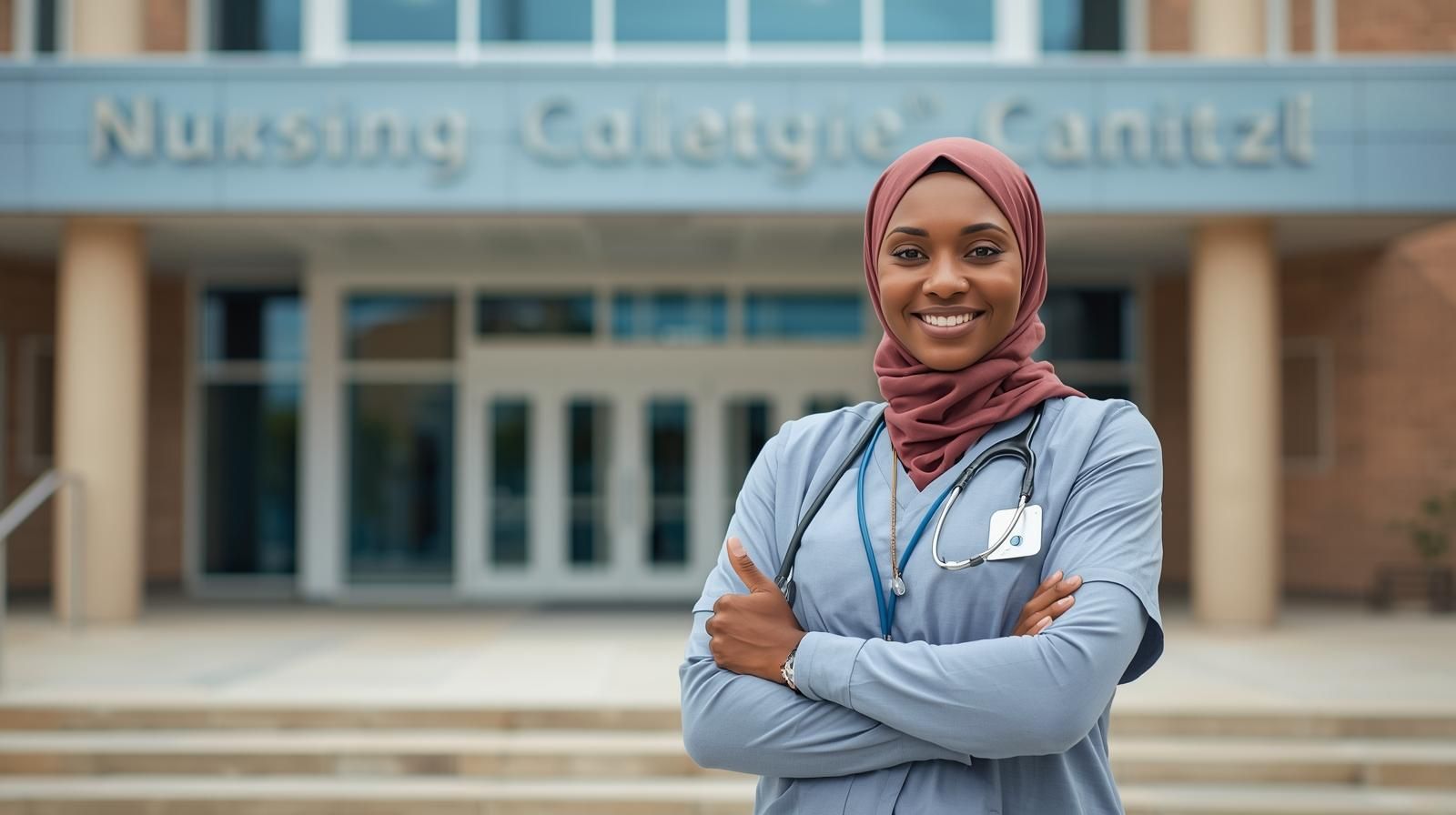
Quick Answer: What is an RPN?
A Registered Practical Nurse (RPN) is a licensed healthcare professional who provides hands-on nursing care to patients with stable or predictable health conditions. RPNs complete a two-year college diploma program and must pass a national certification exam to practice. They work in hospitals, long-term care facilities, clinics, and increasingly in home care settings—administering medications, caring for wounds, monitoring health conditions, and helping patients recover safely at home.
Understanding Registered Practical Nurses in Detail
Registered Practical Nurses are essential members of Ontario's healthcare system. According to theRegistered Practical Nurses Association of Ontario (WeRPN), there are approximately 43,000 RPNs currently practicing in the province, making them the second-largest group of regulated health professionals and roughly one-third of Ontario's entire nursing workforce.
So what exactly does an RPN nurse do? Think of them as the skilled hands-on caregivers who handle the day-to-day nursing tasks that keep patients healthy and recovering. While Registered Nurses (RNs) typically manage complex, unpredictable medical situations, RPNs specialize in providing consistent, quality care for patients whose conditions are more stable.
RPNs are fully regulated healthcare professionals. According to theCollege of Nurses of Ontario (CNO), only nurses registered with CNO can legally practice nursing in Ontario or use the protected title "Registered Practical Nurse." This regulation ensures every RPN meets strict education, competency, and ethical standards.

To become an RPN in Ontario, candidates must complete a two-year Practical Nursing diploma program at an approved college. Programs at institutions likeGeorge Brown College,Seneca Polytechnic, andCentennial Collegeare designed to meet CNO's entry-to-practice requirements. After graduation, aspiring RPNs must pass the Canadian Practical Nurse Registration Examination (CPNRE) or the Regulatory Exam – Practical Nurse (REx-PN), plus complete a jurisprudence exam covering Ontario nursing regulations.
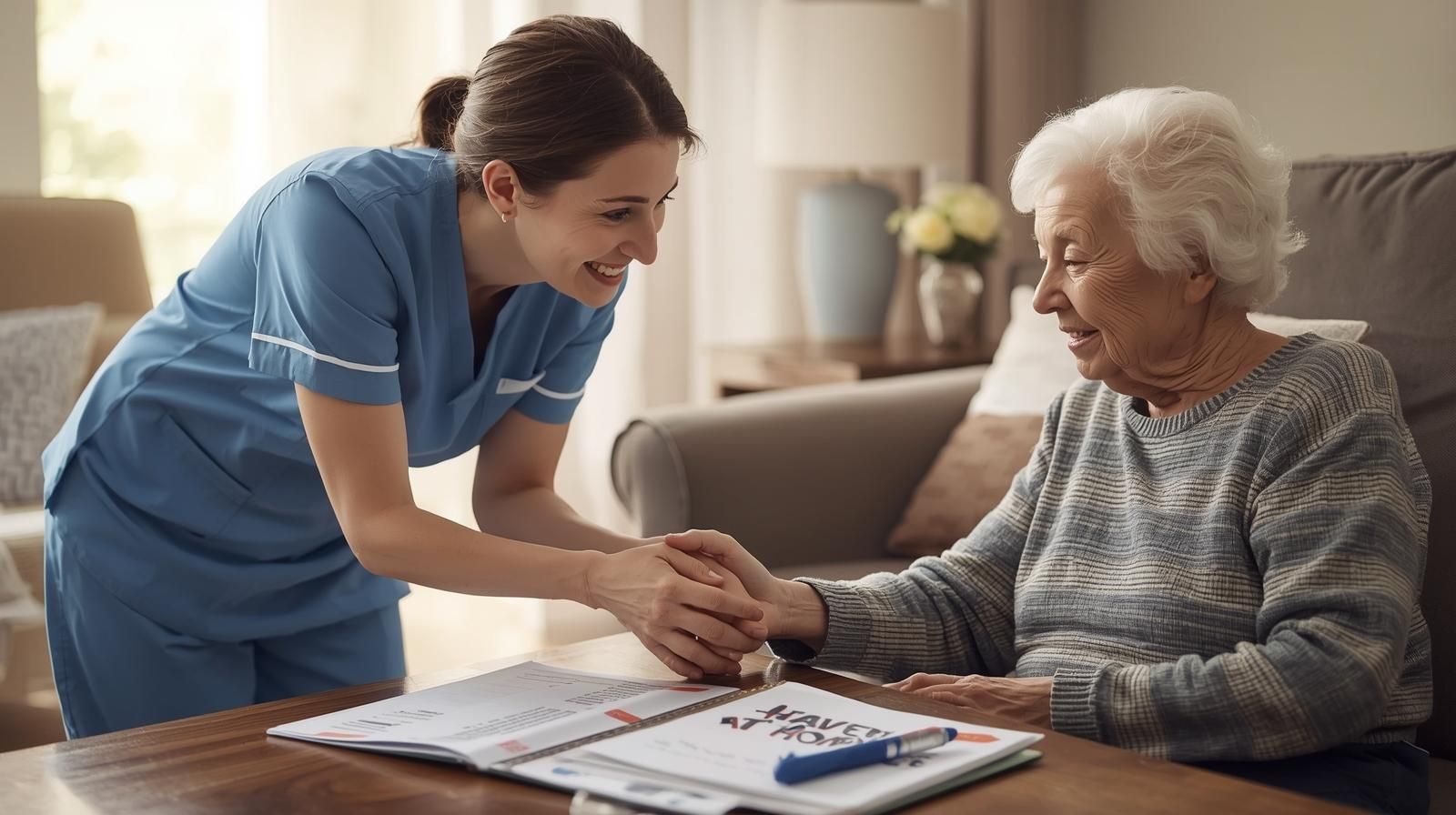
In home care settings, RPNs provide nursing services that allow people to recover from illness, manage chronic conditions, or age comfortably in their own homes rather than staying in hospitals or institutions. This shift toward home-based nursing care reflects what patients want—and what modern healthcare increasingly delivers.
Key Characteristics of Registered Practical Nurses
Clinical Skills and Authorized Acts:RPNs are authorized to perform specific controlled acts under Ontario's Nursing Act. According to theCNO Scope of Practice Standard, these include administering medications by injection or inhalation, initiating intravenous lines for peripheral venous access, and providing wound care below the dermis. As of July 2023, the Ontario government approved regulations allowing RPNs to initiate certain controlled acts independently in specific practice settings.
Medication Administration:RPNs are trained and authorized to administer medications, including oral medications, injections, and IV medications. This requires completing approved medication administration coursework and maintaining current competencies.
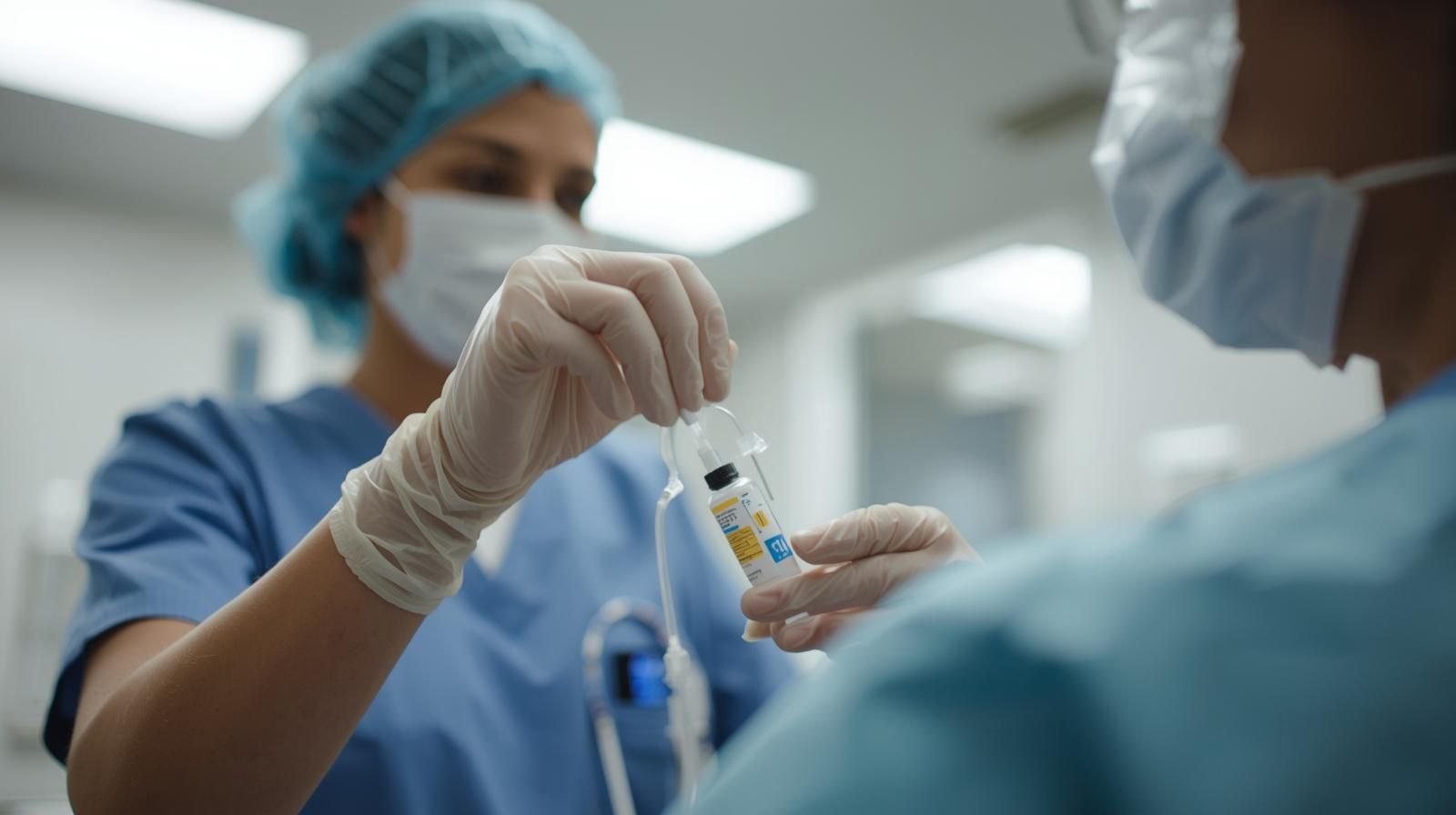
Wound Care Expertise:RPNs provide comprehensive wound care including cleansing, irrigating, debriding, packing, and dressing wounds. Many RPNs develop specialized expertise in wound management through additional continuing education.
Patient Assessment and Monitoring:While RPNs work with patients who have more predictable conditions, they continuously assess patient status, monitor vital signs, and identify changes that require attention. Their clinical judgment helps catch problems early.

Care Coordination:RPNs communicate with physicians, RNs, and other healthcare team members to ensure coordinated care. They document patient progress and report concerns promptly.
Patient Education:RPNs teach patients and families about managing conditions, taking medications correctly, and recognizing warning signs that need medical attention.
Who Needs an RPN?
RPN nursing services benefit many people across different circumstances:
Post-Surgical Patients:Someone recovering from hip replacement, heart surgery, or other procedures often needs nursing care at home. An RPN can manage wound care, administer medications, monitor for complications, and support recovery—allowing earlier hospital discharge and faster healing in familiar surroundings.
People Managing Chronic Conditions:Patients with diabetes, heart failure, COPD, or other ongoing conditions benefit from regular RPN visits. The nurse monitors their condition, ensures medication compliance, watches for warning signs, and helps them stay stable at home rather than cycling through emergency rooms.
Seniors with Complex Care Needs:Older adults often manage multiple medications, chronic wounds, or conditions requiring nursing oversight. An RPN provides the clinical expertise a Personal Support Worker cannot, while offering more affordable care than around-the-clock RN services.
Palliative Care Patients:People receiving end-of-life care at home need skilled nursing for pain management, symptom control, and comfort measures. RPNs provide compassionate care during this sensitive time.
People with Feeding Tubes or Catheters:Medical devices require proper nursing care to prevent infections and complications. RPNs are trained to manage feeding tubes, urinary catheters, and other medical equipment.
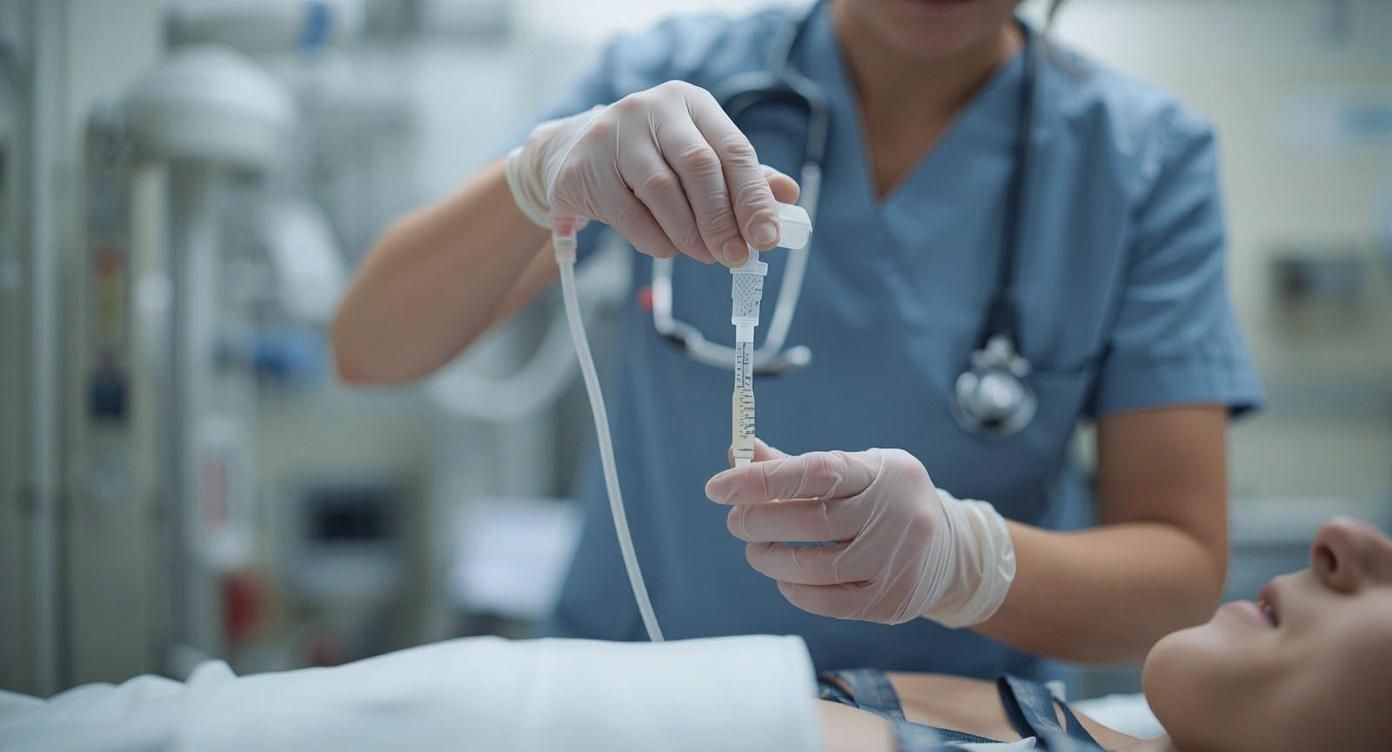
Patients Needing Regular Injections:Whether insulin for diabetes or other injectable medications, RPNs can administer injections and teach patients or family members to do so safely.
How RPN Services Work in Home Care
Receiving RPN nursing care at home typically follows a clear process:
Assessment:A care coordinator evaluates the patient's medical needs, living situation, and care requirements. This might involve reviewing hospital discharge instructions, speaking with physicians, and conducting a home visit.
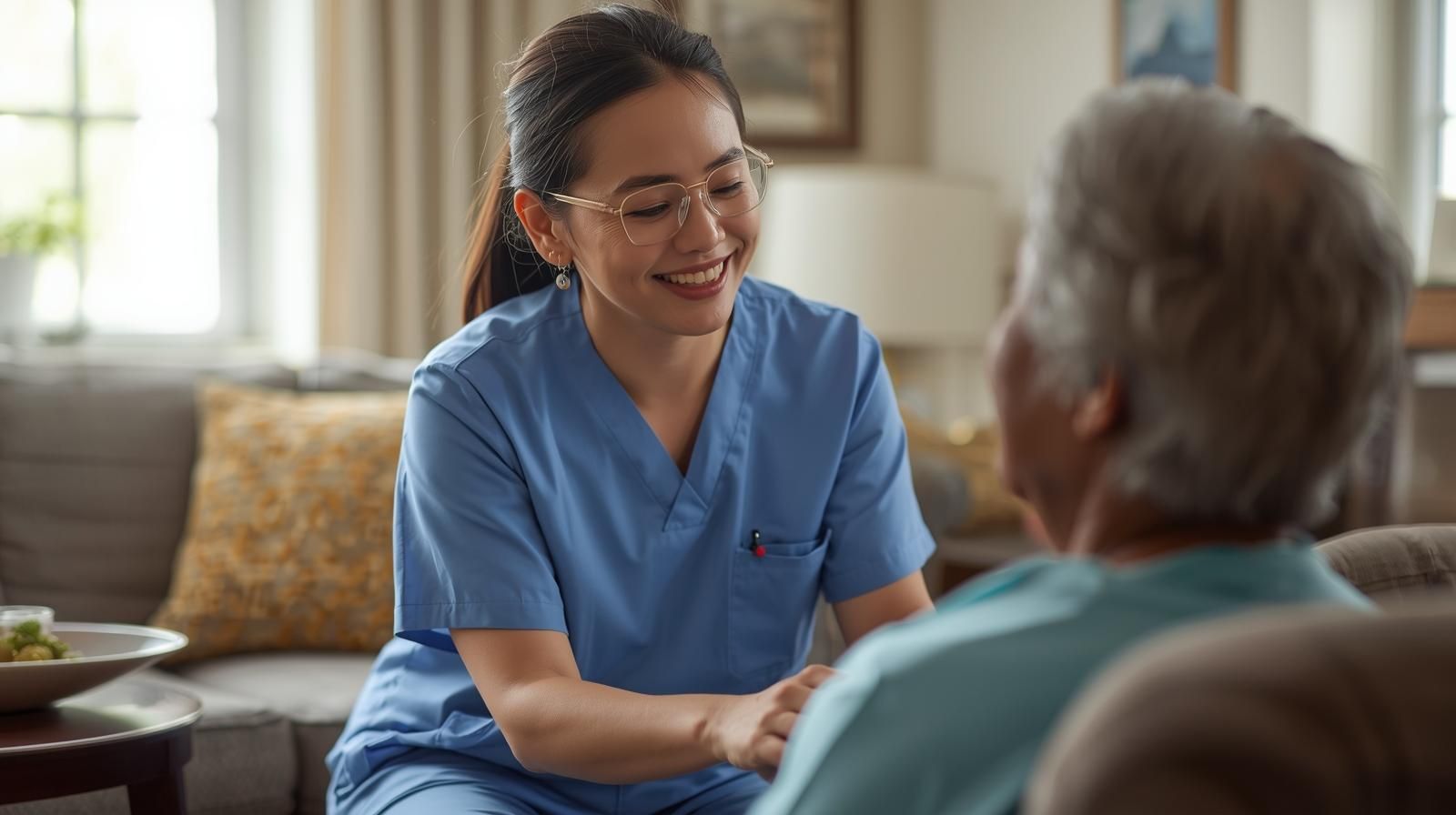
Care Plan Development:Based on the assessment, the agency creates a nursing care plan specifying what services the RPN will provide, how often, and for how long. This plan addresses specific medical needs—wound care twice weekly, daily medication administration, or weekly health monitoring visits.
Nurse Matching:The agency matches patients with RPNs based on skills, experience, schedule compatibility, and personality fit. Consistency matters—having the same nurse builds trust and allows better monitoring of patient progress.
Service Delivery:RPNs visit according to the care plan, typically for visits ranging from one to four hours depending on care complexity. During visits, they complete nursing tasks, assess patient status, document care provided, and communicate with the healthcare team.
Ongoing Coordination:Quality agencies maintain communication with physicians, family members, and other care providers. Care plans adjust as patient needs change—increasing visits during acute phases, decreasing as conditions stabilize.

Knowing how the process works helps set expectations—but the real question for most families is: what difference does RPN care actually make?
Benefits and Importance of RPN Care
RPN nursing care delivers significant advantages for patients and families:
Hospital-Level Care at Home:RPNs bring clinical nursing skills into your home, allowing you to receive quality medical care without institutional stays. This means recovering in comfortable, familiar surroundings.
Earlier Discharge and Faster Recovery:With RPN support at home, patients can leave hospitals sooner. Research consistently shows people recover better at home when appropriate nursing support is available.
Chronic Condition Management:Regular RPN visits help people manage ongoing conditions effectively, preventing the complications and hospitalizations that occur when conditions go unmonitored.
Cost-Effective Nursing Care:RPNs provide skilled nursing at lower rates than RNs while handling most routine nursing tasks. This makes quality nursing care accessible for more families.
Peace of Mind:Knowing a licensed, regulated nurse is monitoring your loved one's condition provides tremendous relief for family members who may lack medical training themselves.
Cost Considerations
Understanding RPN nursing costs helps families plan effectively:
Hourly Rates:According to home care industry data, RPN services in Ontario typically range from $45-$60 per hour, compared to $55-$80 per hour for RN services. Rates vary based on the agency, care complexity, visit timing, and geographic location.
Government Funding:Some Ontario residents qualify for publicly-funded nursing hours throughOntario Health atHome. Eligibility depends on medical needs and assessment results. Call 310-2222 (no area code required) to request an assessment. Many families supplement funded hours with private RPN services.
Insurance Coverage:Extended health benefits often cover a portion of nursing care costs. Check your policy for nursing care coverage limits and requirements.
Factors Affecting Cost:Pricing depends on visit frequency, care complexity, specialized skills needed, geographic location, and whether you need consistent caregivers or flexible scheduling.
Several factors push RPN rates toward the higher end of the range. More experienced RPNs with specialized skills—such as wound care certification or IV therapy training—typically command higher rates. Evening, overnight, and weekend shifts carry a premium compared to standard daytime hours. Complex care situations requiring clinical judgment and specialized equipment cost more than routine monitoring visits. Publicly funded hours through Ontario Health atHome are provided at no direct cost to eligible patients, but funded allocations are often limited; many families supplement with private-pay hours to fill gaps in coverage. Extended health insurance plans vary widely—some cover nursing care up to a set annual maximum, while others require a physician referral or restrict coverage to RN-level care only.
Understanding the costs involved is an important first step—but getting started with RPN care is simpler than many families expect.
How to Get Started with RPN Services
Beginning home nursing care is straightforward:
Contact Haven at Home:Reach out by phone or through our website to speak with a care coordinator who understands home nursing needs. We'll discuss your situation and explain your options.
Schedule an Assessment:We arrange a convenient time to evaluate nursing needs, review medical requirements, and understand your preferences. This consultation is free and no-obligation.
Receive Your Care Plan:We present a detailed plan with recommended nursing visits, services, and costs. You can adjust anything that doesn't fit your needs.
Meet Your RPN:We introduce you to your matched nurse before services begin. Your comfort and confidence in your caregiver matters.
Begin Nursing Care:Your RPN arrives as scheduled, and our team remains available for questions or concerns throughout your care.
Frequently Asked Questions
What's the difference between an RPN and an RN?
Both are regulated nurses, but they differ in education and scope. According to theCollege of Nurses of Ontario, RNs complete a four-year bachelor's degree and handle complex, unpredictable patient situations. RPNs complete a two-year diploma and provide excellent care for patients with more stable, predictable conditions. Many patients need both—an RN for complex assessments and care planning, plus an RPN for ongoing day-to-day nursing care.
Are RPNs regulated in Ontario?
Yes. RPNs are fully regulated by the College of Nurses of Ontario under the Nursing Act, 1991. They must maintain registration, meet ongoing competency requirements, and follow professional practice standards. Only registered nurses can legally use the title "Registered Practical Nurse" in Ontario.
What can an RPN do that a PSW cannot?
RPNs perform controlled acts that PSWs aren't authorized to do—administering medications, starting IVs, providing wound care, inserting catheters, and making clinical nursing assessments. PSWs provide essential personal care and daily living support, but nursing tasks require an RPN or RN.
How often will an RPN visit?
Visit frequency depends entirely on your needs. Some patients need daily nursing visits; others need weekly check-ins. Post-surgical wound care might require visits every other day initially, then decrease as healing progresses. Your care plan is customized to your situation.
Can an RPN work alongside a PSW?
Absolutely. Many home care clients benefit from both services—an RPN for nursing tasks like medication administration and wound care, plus a PSW for daily personal care like bathing, dressing, and meal preparation. This team approach provides comprehensive support.
Related Topics
Learn more about home nursing and care services:
Personal Support Workers (PSWs): PSWs provide hands-on personal care—bathing, dressing, meal preparation, and companionship—that complements the clinical nursing care an RPN delivers. Many clients benefit from both, with the RPN handling medical tasks and the PSW supporting daily living.
Registered Nurses (RNs): When a patient's condition is complex, unstable, or requires advanced clinical decision-making, an RN steps in. RNs hold a four-year degree and are authorized to manage a broader scope of unpredictable medical situations alongside RPNs.
Palliative Care at Home: For patients nearing end of life, RPNs play a central role in managing pain, controlling symptoms, and providing comfort in familiar surroundings. Understanding palliative home care options helps families plan ahead with confidence.
Post-Hospital Recovery Care: Leaving hospital after surgery or a serious illness is a vulnerable transition. RPN-supported recovery care at home reduces readmission risk, ensures wound care and medications are managed correctly, and helps patients regain independence faster.
Take the Next Step Toward Quality Nursing Care
Registered Practical Nurses bring clinical precision and genuine compassion into the one place where healing happens best—home. Whether it is a post-surgical wound that needs expert care twice a week, a diabetic patient whose insulin regimen requires daily oversight, or an older adult managing five medications and a chronic condition, an RPN provides the skilled nursing presence that keeps people safe, stable, and out of the emergency room.
Haven at Home connects families across the Greater Toronto Area with experienced, CNO-registered RPNs who are matched to your specific medical needs, schedule, and personality. We handle the coordination, documentation, and communication with your healthcare team—so your only job is to focus on getting better.
The difference between managing a health condition and truly recovering from it often comes down to consistent, skilled nursing support at home. Contact Haven at Home today for a free consultation and let us build a nursing care plan that fits your life.
Related Reading
- What Is a Registered Nurse (RN) in Home Care?— understanding the difference between RPN and RN
- What Is a Caregiver?— the full spectrum of home care providers
Need nursing care at home?Call416-795-0373to discuss your care needs.