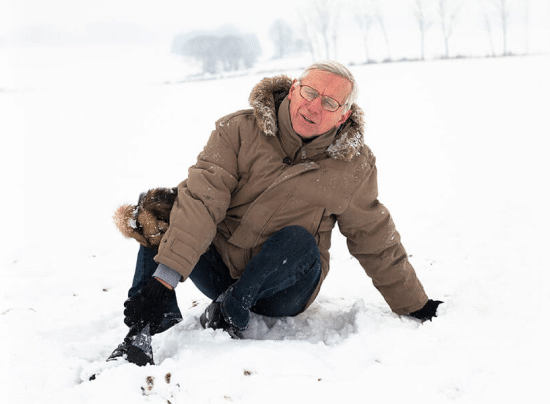
Summary: This comprehensive guide helps family caregivers in Toronto and the GTA protect their senior parents from dangerous winter falls. Learn proven strategies for outdoor safety, home modifications, emergency preparedness, and professional support options during Ontario's harsh winter months.
As the colder months descend upon Toronto and the greater Ontario region, the beauty of winter often brings with it increased risks, especially for your senior loved ones.
If you're caring for aging parents, the thought of icy sidewalks, slippery entryways, and reduced daylight hours can be a source of significant worry.

But with proactive steps and a thoughtful approach, you can significantly enhance your parent's safety and well-being during the winter season.
Navigating the Great Outdoors: Strategies for Icy Conditions
Ontario winters mean snow, ice, and slush, making outdoor mobility particularly challenging for your parents. Here's how to keep them safe when they need to go outside.
Choose the Right Footwear
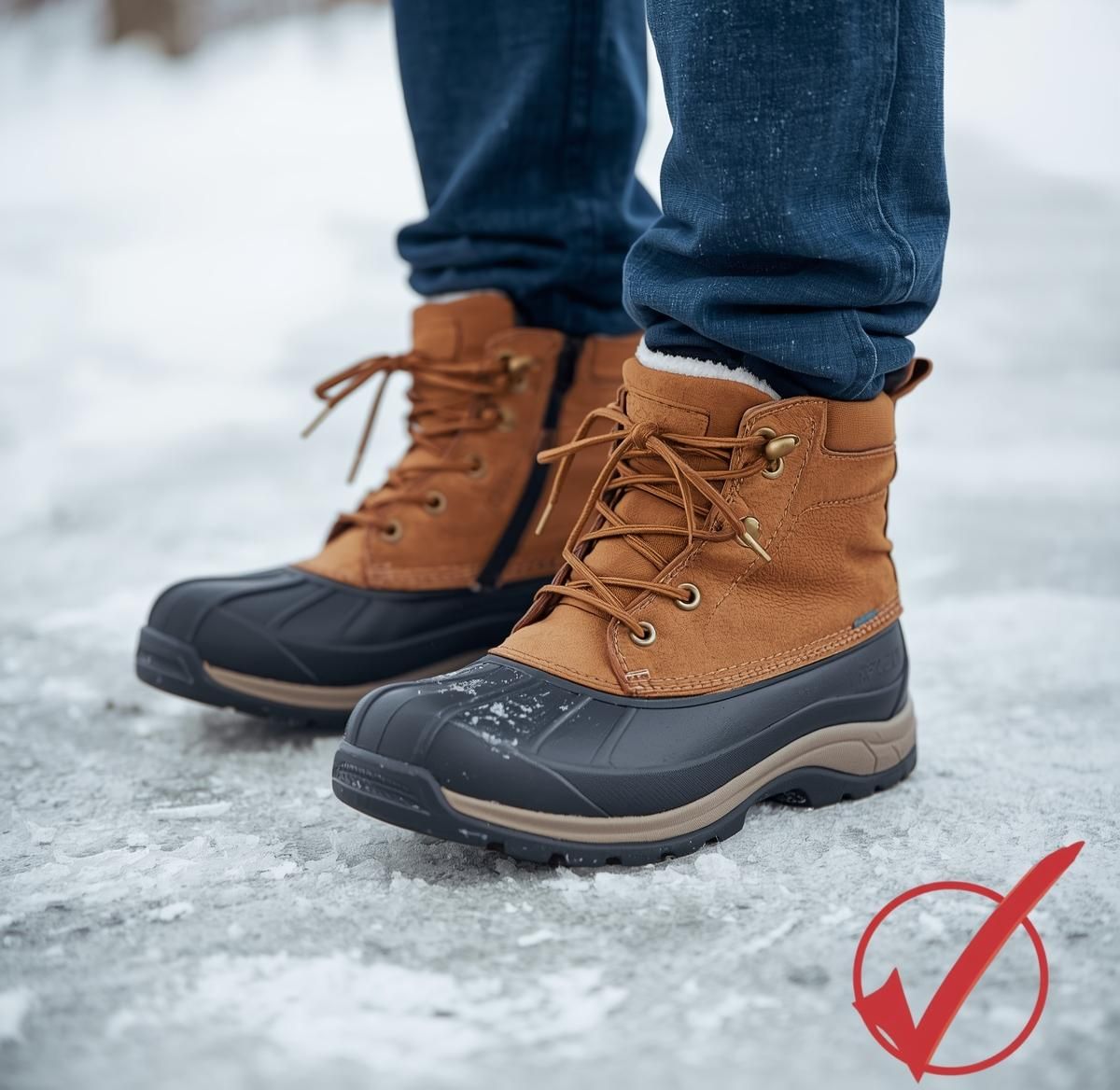
Your first line of defense is ensuring they have appropriate winter boots designed for icy conditions. Here's what to look for:
- Non-slip soles: Rubber or synthetic materials with deep treads (minimum 4-5mm depth)
- Ankle support: Boots should extend above the ankle for stability
- Good traction: Look for multi-directional tread patterns
- Easy to use: Avoid complicated laces or closures they'll struggle with
- Add ice grippers: Consider detachable micro-spikes or ice cleats ($15-$40) for extra protection on particularly icy days
Use Proper Mobility Aids
If your parent uses a cane or walker, winter requires special adaptations:
- Ice pick attachments: These screw onto the bottom of canes and walkers for better grip
- Wider base: Consider a quad cane for extra stability on slippery surfaces
- Regular inspection: Check rubber tips monthly and replace if worn
Practice Safe Walking Techniques
Teach your parent these simple but effective winter walking strategies:
- Take smaller, shuffling steps instead of long strides
- Walk slowly and deliberately, rushing increases fall risk
- Avoid carrying heavy bags that can disrupt balance
- Use handrails whenever available
- Step carefully when transitioning between surfaces (sidewalk to street, outdoors to indoors)
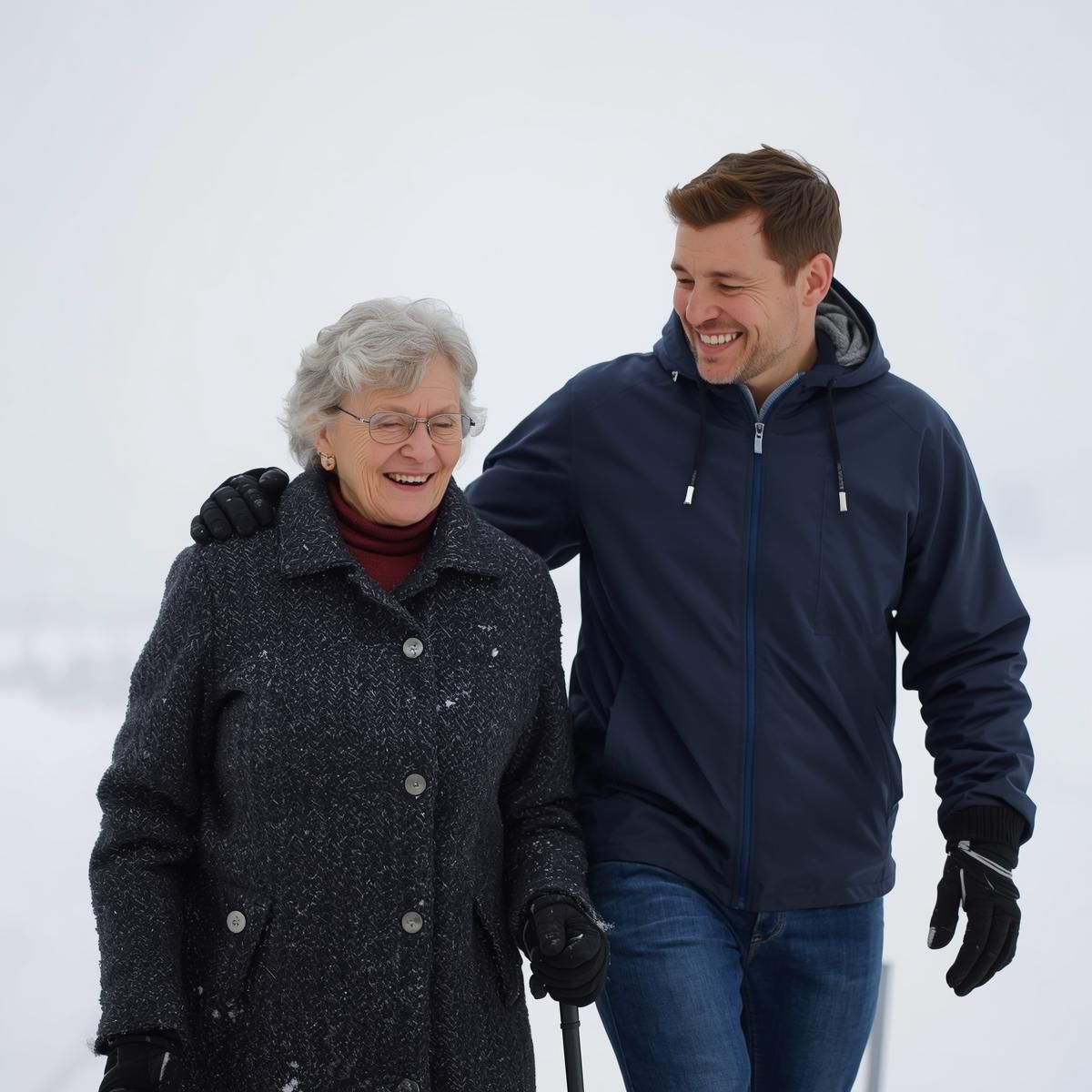
Minimize Unnecessary Outdoor Exposure
The safest walk is the one you don't have to take. Consider these alternatives:
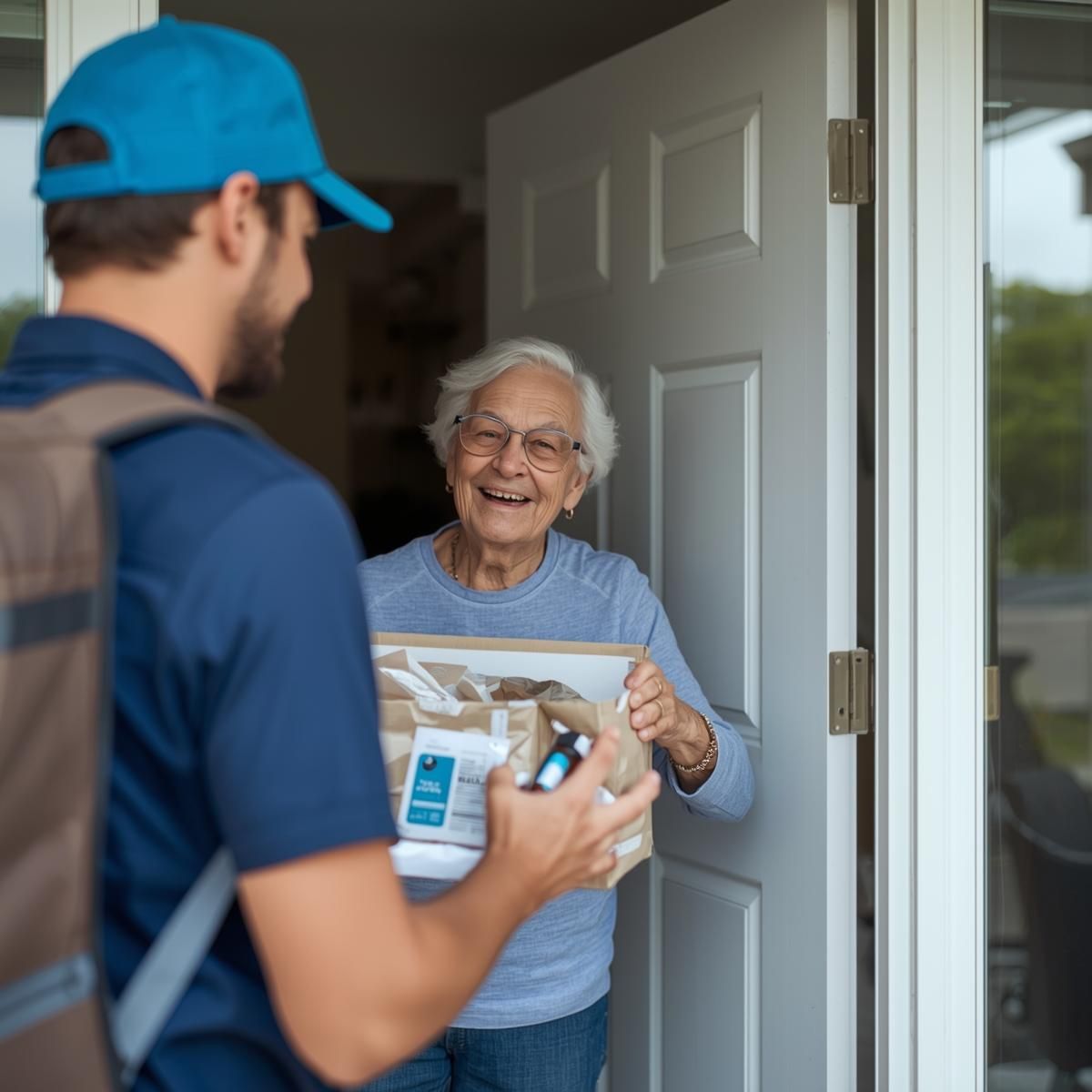
- Grocery delivery services: Many Toronto supermarkets offer delivery or curbside pickup
- Pharmacy pickup: Most pharmacies will deliver prescriptions
- Ride services: Book Wheel-Trans, taxis, or rideshare for appointments
- Timing matters: If they must go out, choose midday when ice is most melted and visibility is best
Key Takeaway: Proper winter footwear with ice grippers and mobility aids with ice attachments can reduce outdoor fall risk by up to 60%. Start preparing these safety measures in October before the first snowfall.
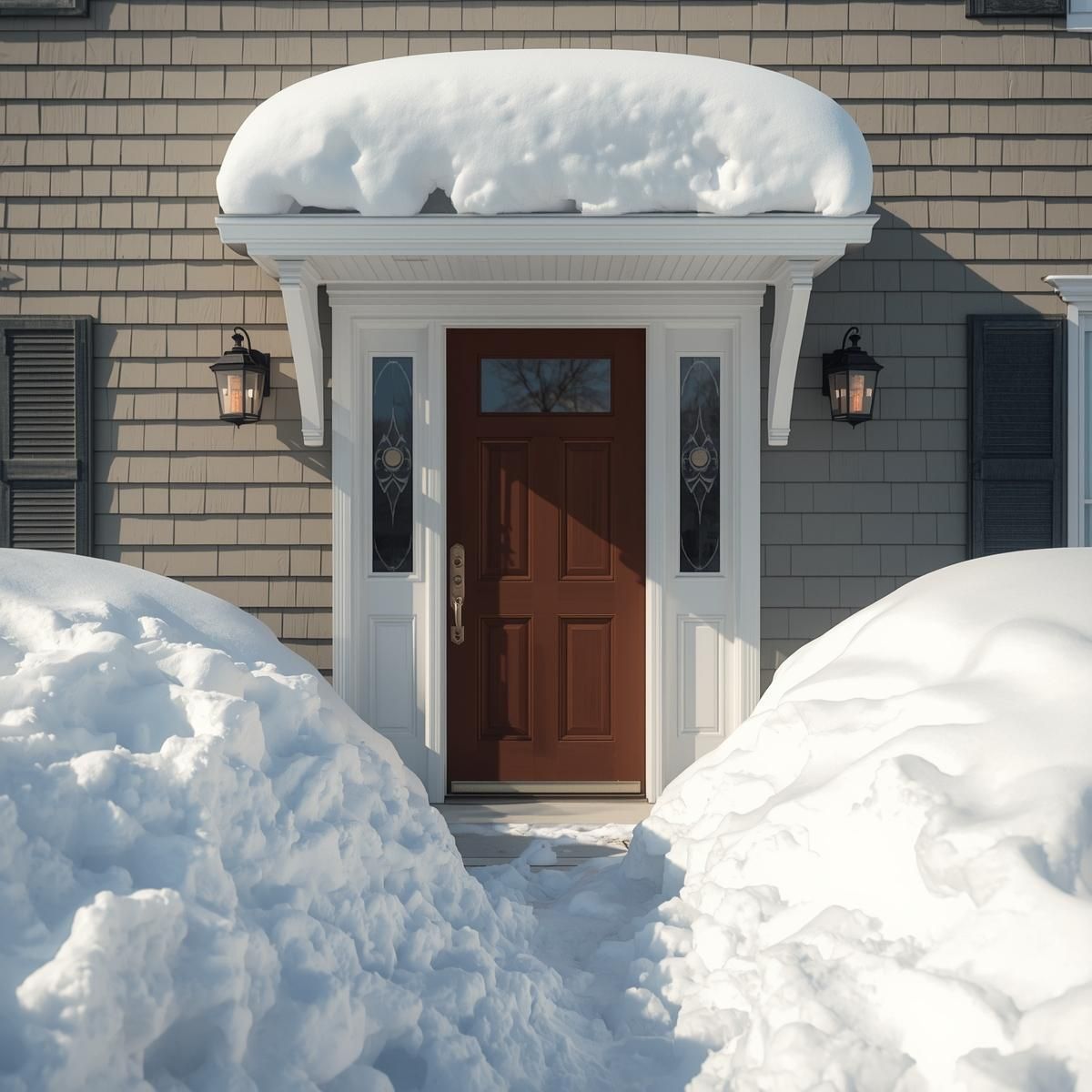
Securing the Home Front: Indoor Winter Safety Measures
Here's a surprising fact, approximately 60% of winter-related falls among seniors actually happen inside the home. The transition from outdoors to indoors brings melted snow and ice, creating hazardous conditions.
Secure All Entryways
The front door area is your highest-risk zone during winter:
- Non-slip mats: Place them both inside and outside all entry doors
- Regular cleaning: Clean and dry mats daily during snowy periods
- Immediate cleanup:Wipe up melted snow and water as soon as someone enters
- Boot trays: Use deep trays to contain melting snow and ice
- Covered entrance: If possible, add an awning or overhang to reduce snow accumulation
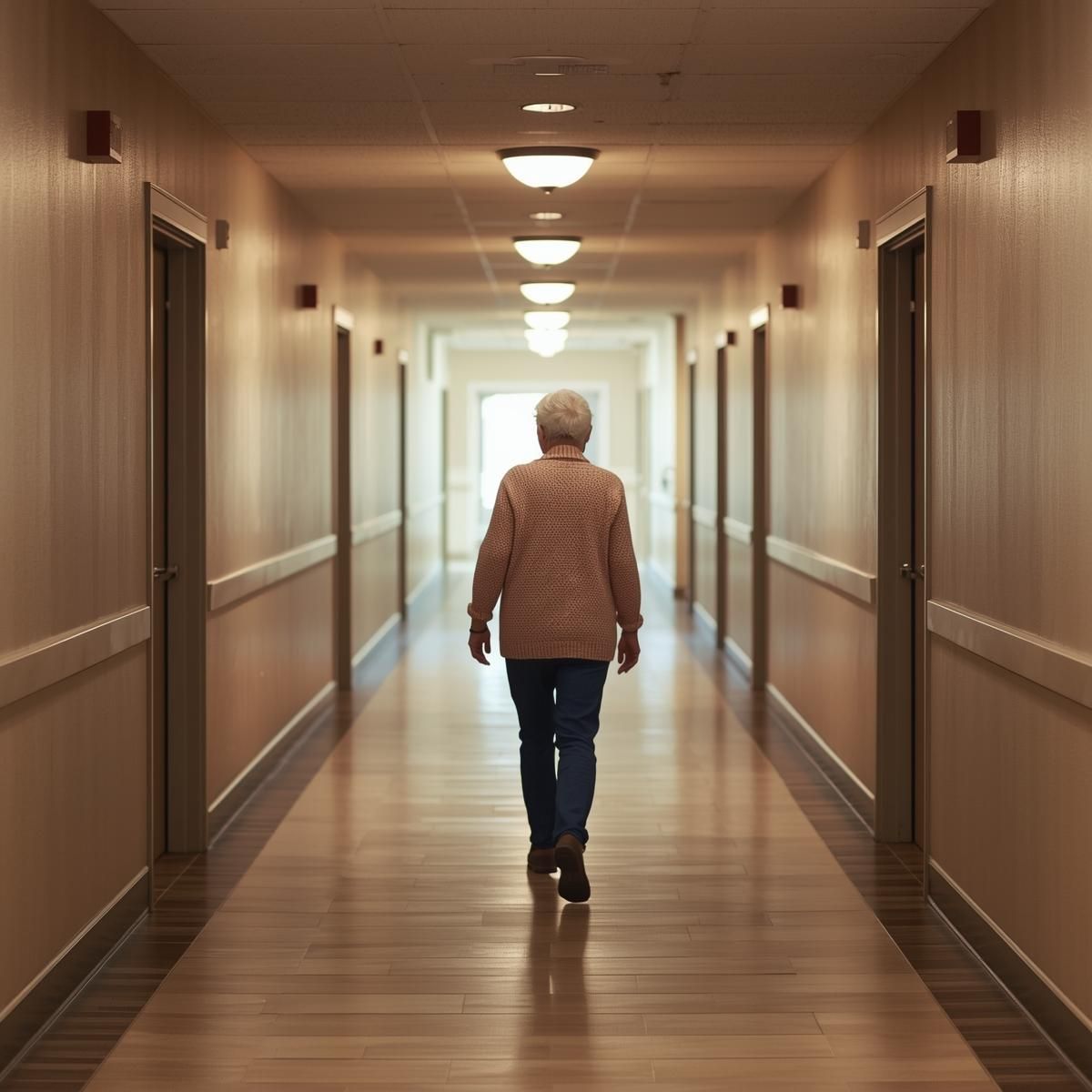
Optimize Lighting Throughout the Home
Shorter daylight hours mean lighting becomes critical for fall prevention:
- Brighten all pathways: Use minimum 100-watt equivalent bulbs in high-traffic areas
- Install nightlights:Place them in bedrooms, hallways, bathrooms, and near stairs
- Easy-access switches: Ensure light switches are at entry points of every room
- Motion-sensor lights: Consider these for bathrooms and hallways
- Eliminate shadows: Add additional lighting to stairwells where shadows hide steps
Remove Tripping Hazards
A clutter-free home is a safer home:
- Clear pathways: Remove all items from walkways, especially in high-traffic areas
- Secure rugs: Use non-slip backing or double-sided tape on all area rugs
- Tuck away cords: Tape down or hide electrical cords along baseboards
- Low furniture: Ensure coffee tables and ottomans don't block walking paths
- Pet awareness: Keep pet toys, beds, and bowls out of walkways
Install Grab Bars and Handrails
Strategic placement of support structures can prevent many falls:
- Bathroom grab bars: Install near toilet and in shower/tub ($30-$60 each)
- Stair handrails: Ensure they're on both sides and extend the full length
- Secure installation: All grab bars must be mounted to wall studs, not just drywall
- Test regularly: Check monthly that all rails and bars are firmly attached
Create a Safe Bathroom Environment
Bathrooms are especially hazardous when combined with winter conditions:
- Non-slip bath mats: Inside and outside shower/tub
- Shower chair: Consider one for bathing safety
- Raised toilet seat: Makes sitting and standing easier
- Keep floor dry: Wipe up water immediately
Indoor Fall Prevention Checklist:
✓ Non-slip mats at all entry points
✓ Adequate lighting throughout home (minimum 100 watts per room)
✓ Secure handrails on both sides of stairs
✓ Remove tripping hazards and clutter
✓ Install grab bars in bathrooms
✓ Keep frequently used items within easy reach
✓ Eliminate extension cords from walkways
✓ Secure all area rugs with non-slip backing
Key Takeaway: Small adjustments in your parent's home environment can make a significant difference. Focus on the"transition zones"where outdoor elements meet indoor spaces, these are the highest-risk areas during winter months.
Personal Preparedness: Health, Habits, and Awareness
Beyond environmental modifications, your parent's personal health and habits play a vital role in fall prevention.
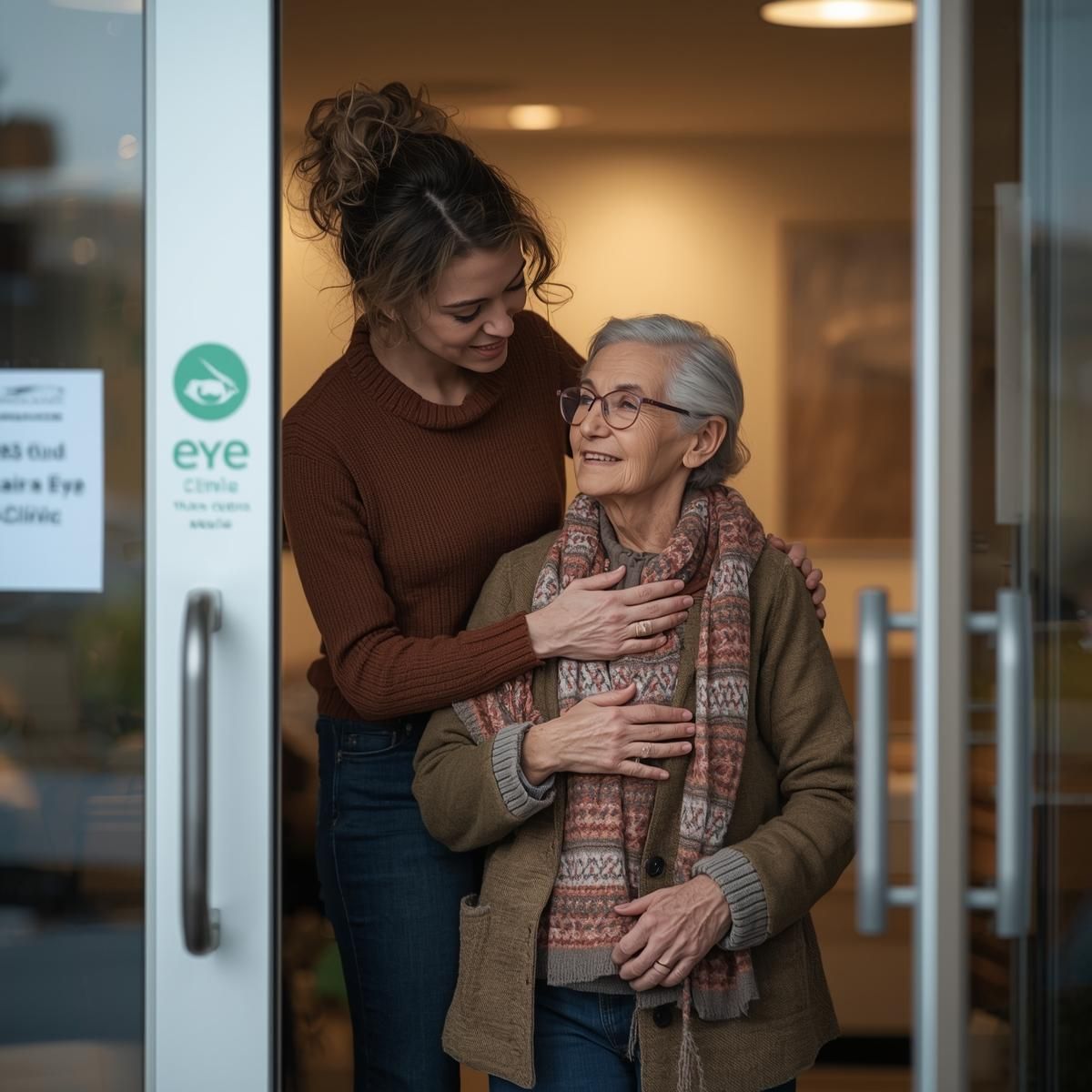
Schedule Regular Vision Checkups
Good eyesight is essential for avoiding falls:
- Annual eye exams: Schedule them every year, not just when problems arise
- Update prescriptions: Old glasses can impair depth perception
- Proper lighting: Even with good vision, adequate lighting is crucial
- Impact: Studies show vision problems contribute to approximately 20% of falls in older adults
Review Medications with Healthcare Providers
Some medications increase fall risk without you realizing it:
- Common culprits: Blood pressure medications, sedatives, pain relievers, and sleeping pills
- Side effects to watch: Dizziness, drowsiness, confusion, or balance problems
- Regular reviews: Schedule medication reviews with doctor or pharmacist twice yearly
- Timing matters: Avoid outdoor activities during peak medication effects
Stay Physically Active
Regular movement helps maintain the strength and balance needed to prevent falls:
- Daily gentle exercise: Aim for 20-30 minutes of movement
- Chair exercises: Perfect for winter days when going out isn't safe
- Balance training: Simple exercises like standing on one foot (while holding a counter)
- Stretching: Maintains flexibility and range of motion
- Toronto resources:Many community centers offer senior fitness programs specifically designed for fall prevention
Popular senior fitness programs in Toronto include:
- Toronto Parks & Recreation Senior Programs
- YMCA Active Older Adults classes
- Community center balance and strength classes
Maintain Proper Hydration and Nutrition
What you eat and drink affects fall risk:
- Stay hydrated: Dehydration causes dizziness and confusion
- Winter challenge:People drink less water in cold weather
- Nutritious diet: Supports overall well-being and cognitive function
- Vitamin D: Especially important during darker winter months
- Calcium: Supports bone health in case falls do occur
Key Takeaway: Annual vision checks, medication reviews, and regular physical activity form the foundation of personal fall prevention. Encourage your parent to stay active with at least 20-30 minutes of gentle movement daily.
Emergency Readiness: What to Do When a Fall Occurs
Despite all your precautions, falls can still happen to your parent. Having an emergency plan in place can reduce your anxiety and ensure a swift response.
Invest in a Medical Alert System
Personal emergency response systems (PERS)can be life-saving:
- What they do: Alert you or emergency services with a button push
- Cost: $25-$50 per month (typically no long-term contracts)
- Types available: Wrist buttons, pendant necklaces, or watches
- GPS options: Mobile systems work outside the home too
- Fall detection: Advanced models can detect falls automatically
Popular providers serving Toronto:
- Life Assurance
- Lifeline Canada
- Medical Guardian
- Philips Lifeline
Establish a Communication Plan
Regular contact helps you catch problems early:
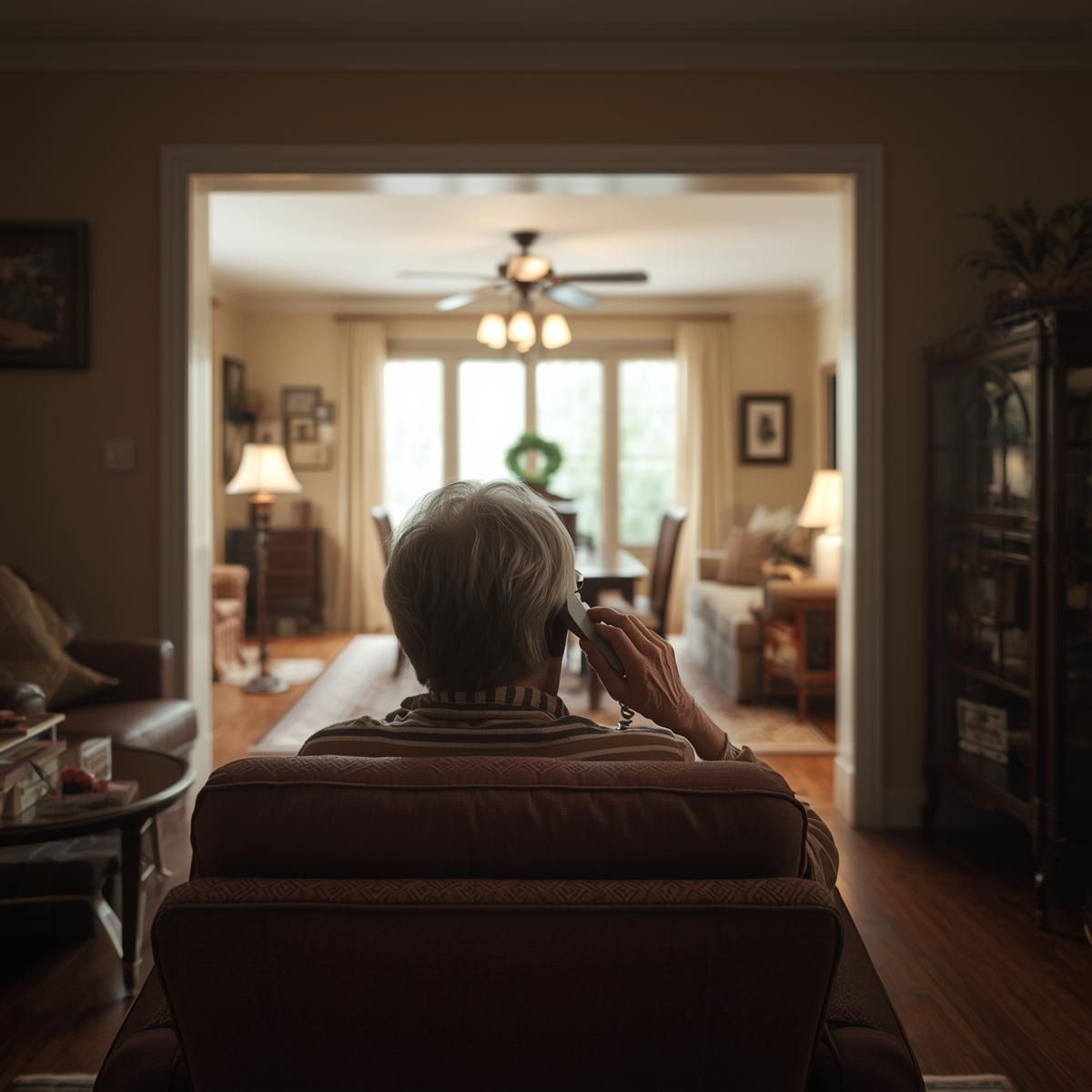
- Daily check-ins: Schedule calls or texts at the same time each day
- Share schedules: Know when they have appointments or plan to go out
- Emergency contacts: Post a list near landline and program into cell phone
- Neighbor network: Ask a trusted neighbor to watch for concerning signs
- Key access: Ensure someone trustworthy has a spare key for emergencies
Teach Proper Response to Falls
If your parent does fall, they should know what to do:
Immediate steps after a fall:
- Stay calm: Take a few deep breaths
- Assess for injuries: Check for pain, especially in hips, back, or head
- Call for help if needed: Use medical alert system or phone
- If uninjured: Roll onto side, crawl to sturdy furniture, use it to slowly rise
- Rest before moving: Sit for a few minutes before attempting to walk
- Stay warm: Keep a blanket accessible at floor level if waiting for help
When tocall 911immediately:
- They're unconscious or disoriented
- Heavy bleeding
- Suspected broken bones
- Severe head pain or injury
- Unable to get up after 10-15 minutes
Follow Up After Any Fall
Even if your parent seems fine:
- Contact their doctor: Schedule an appointment within 24 hours
- Document the fall: Note time, location, and possible causes
- Assess environment: What caused the fall? Fix it immediately
- Review prevention: Use the incident to improve safety measures
- Hidden injuries: Some injuries like concussions aren't immediately apparent
Key Takeaway: A medical alert system and clear communication plan can reduce emergency response times from hours to minutes. Every senior living alone should have some form of emergency alert system in place during winter months.
Frequently Asked Questions About Senior Fall Prevention in Toronto
What are the most common causes of winter falls in seniors in Toronto?
The most common causes are:
- Icy outdoor surfaces (sidewalks, parking lots, driveways)
- Slippery indoor entryways from melted snow
- Reduced daylight affecting visibility and depth perception
- Bulky winter clothing limiting mobility and balance
- Dehydration-related dizziness (people drink less water in winter)
Important to note: Indoor falls actually account for about 60% of winter incidents, making home safety modifications just as critical as outdoor precautions.
What type of winter footwear is best for preventing falls on ice?
Look for boots with these essential features:
- Non-slip rubber soles with deep treads (minimum 4-5mm)
- Good ankle support to prevent rolling
- Wide base for better stability
- Easy to put on (if too difficult, they won't wear them)
- Add detachable ice grippers or micro-spikes ($15-$40) for extra traction on icy days
Popular brands in Toronto: Blundstone, Sorel, Cougar, Columbia, and Kamik all make senior-friendly winter boots.
Pro tip: Buy boots one season early (spring sales) to ensure proper fit without rushed decisions.
Should my parent use a medical alert system, and how much do they cost?
Yes, medical alert systems are highly recommended for seniors living alone or those with high fall risk.
Pricing breakdown:
- Basic home systems: $25-$35/month
- GPS-enabled mobile systems: $35-$50/month
- Fall detection feature: Usually $5-$10/month extra
- Installation: Often free or one-time fee of $50-$100
What's included:
- 24/7 monitoring by Canadian emergency centers
- No long-term contracts with most providers
- Waterproof devices (can wear in shower)
- Battery backup during power outages
Popular providers serving Toronto: Life Assurance, Lifeline Canada, Medical Guardian, and Philips Lifeline.
How can I make my parent's home safer without major renovations?
Start with these simple, affordable modifications
Quick wins under $300 total:
- Non-slip mats: $20-$40 for entry areas
- Plug-in nightlights: $5-$10 each (buy 10-15)
- Grab bars: $30-$60 each for bathroom
- Non-slip rug tape: $10-$15 per roll
- Brighter light bulbs: $3-$5 each
- Clutter removal: Free (remove tripping hazards)
Time required: Most modifications can be completed in a single weekend.
No contractor needed: These are all DIY-friendly for most family members.
What should I do immediately after my parent falls?
Follow these steps:
If you'renot therewhen it happens:
- Stay calm when they call
- Ask if they're injured or in severe pain
- If serious injury suspected, call 911 immediately
- If they seem okay, talk them through getting up safely
- Stay on phone until they're safely seated
If youwitnessthe fall:
- Don't rush to lift them—assess first
- Ask where they feel pain
- Call 911 if serious injury suspected
- If no serious injury, help them roll to their side
- Help them crawl to sturdy furniture
- Assist them in rising slowly using the furniture
Always: Contact their doctorwithin 24 hours, even if they seem fine. Falls can indicate underlying health issues, and some injuries aren't immediately apparent.
When should I start preparing for winter fall prevention?
Octoberis the ideal time to begin preparations, before the first snowfall. This timeline gives you adequate time
October tasks:
- Purchase proper winter footwear and test fit
- Install home safety modifications (grab bars, lighting)
- Schedule medical appointments (vision exam, medication review)
- Arrange winter services (snow removal, grocery delivery)
- Test medical alert systems
Why start early:
- Winter boots need time to break in
- Medical appointments book up quickly in fall
- Contractors are less busy before winter rush
- Don't want to wait until after a near-miss or actual fall
Monthly maintenance: Once winter arrives, check safety measures monthly and after each major snowstorm.
What neighborhoods in Toronto does Haven at Home serve?
Haven at Home provides professional in-home care services throughout Toronto and the Greater Toronto Area, including:
Toronto proper:
- North York
- Scarborough
- Etobicoke
- East York
- York
- Downtown Toronto
Greater Toronto Area:
- Mississauga
- Brampton
- Vaughan
- Markham
- Richmond Hill
- Oakville
- Burlington
- Ajax
- Pickering
Service radius: We serve communities within 50km of downtown Toronto. Contact us to confirm service availability in your specific area.
Professional Support for Winter Senior Care in Toronto
Taking these proactive steps can significantly reduce the risk of winter falls for your senior parents in Ontario.
It's an ongoing process that requires your vigilance, empathy, and sometimes, extra support. While you provide invaluable care, managing winter safety alongside work, family, and other responsibilities can be overwhelming.
How Haven at Home Can Help
Haven at Home understands the unique challenges you face in senior care, especially during the harsh Canadian winter.
Our compassionate and professional caregivers offer reliable in-home assistance throughoutToronto and the GTA, providing:
Daily living support:
- Assistance with dressing in appropriate winter clothing
- Help with proper footwear selection and fitting
- Support with daily activities and personal care
Winter-specific safety services:
- Clearing entryways and indoor floor hazards
- Accompanying seniors on outdoor trips
- Monitoring home safety conditions
- Implementing fall prevention strategies
Peace of mind for families:
- Regular communication with family members
- Professional assessment of home safety
- Emergency response coordination
- Medication management and reminders
Our services allow your parents to age in place safely and comfortably in their own homes while giving you peace of mind during the challenging winter months.
Serving communities across: North York, Scarborough, Etobicoke, Mississauga, Brampton, Vaughan, Markham, Richmond Hill, and throughout the Greater Toronto Area.
Take the Next Step
Contact Haven at Home today for a free consultation and learn how our personalized care plans can keep your loved ones safe this winter.
📞 Call us: 416 795 0373 📧 Email:info@havenathome.ca
🌐 Visit:https://www.havenathome.ca/
Free Resources
📥 Download our Free Winter Safety Checklist for Seniors
A comprehensive, printable guide to help you prepare your parent's home for winter. Includes room-by-room safety audit and monthly maintenance tasks.
Contact Haven at Home to receive your copy — available to all families we serve across the GTA.
About the Author: This guide was developed by the care team at Haven at Home, Toronto's trusted provider of in-home senior care services. Our team includes registered nurses, personal support workers, and caregivers with extensive experience in fall prevention and senior safety throughout the GTA.
Medical Review: Content reviewed by registered healthcare professionals specializing in geriatric care and fall prevention.
Sources:
Public Health Agency of Canada - Senior Falls Prevention Guidelines
Canadian Institute for Health Information - Injury Statistics and Trends
Parachute Canada - Evidence-Based Fall Prevention Recommendations
Ontario Ministry of Health - Senior Safety Resources
Last Updated: January 27, 2025
Related Reading
- Falls Prevention for Seniors: Everything Toronto Families Need to Know— our comprehensive year-round guide
- 10 Best Balance Exercises for Seniors You Can Do at Home— build the strength to stay steady on icy surfaces
- Home Safety Checklist for Seniors— printable room-by-room guide
Need help with winter fall prevention?Our physiotherapists provide in-home balance assessments and exercise programs across Toronto. Call416-795-0373to book.