In-Home Nursing
Clinical care at home — included with your care plan.
When you or your loved one needs clinical care at home — wound dressings, foot care, medication management, or chronic disease monitoring — our registered nurses come to you. Nursing is available as part of your home care package or alongside physiotherapy. One team, no extra providers to coordinate.
I need this for...
(416) 795-0373Call anytime — we're available 24/7.
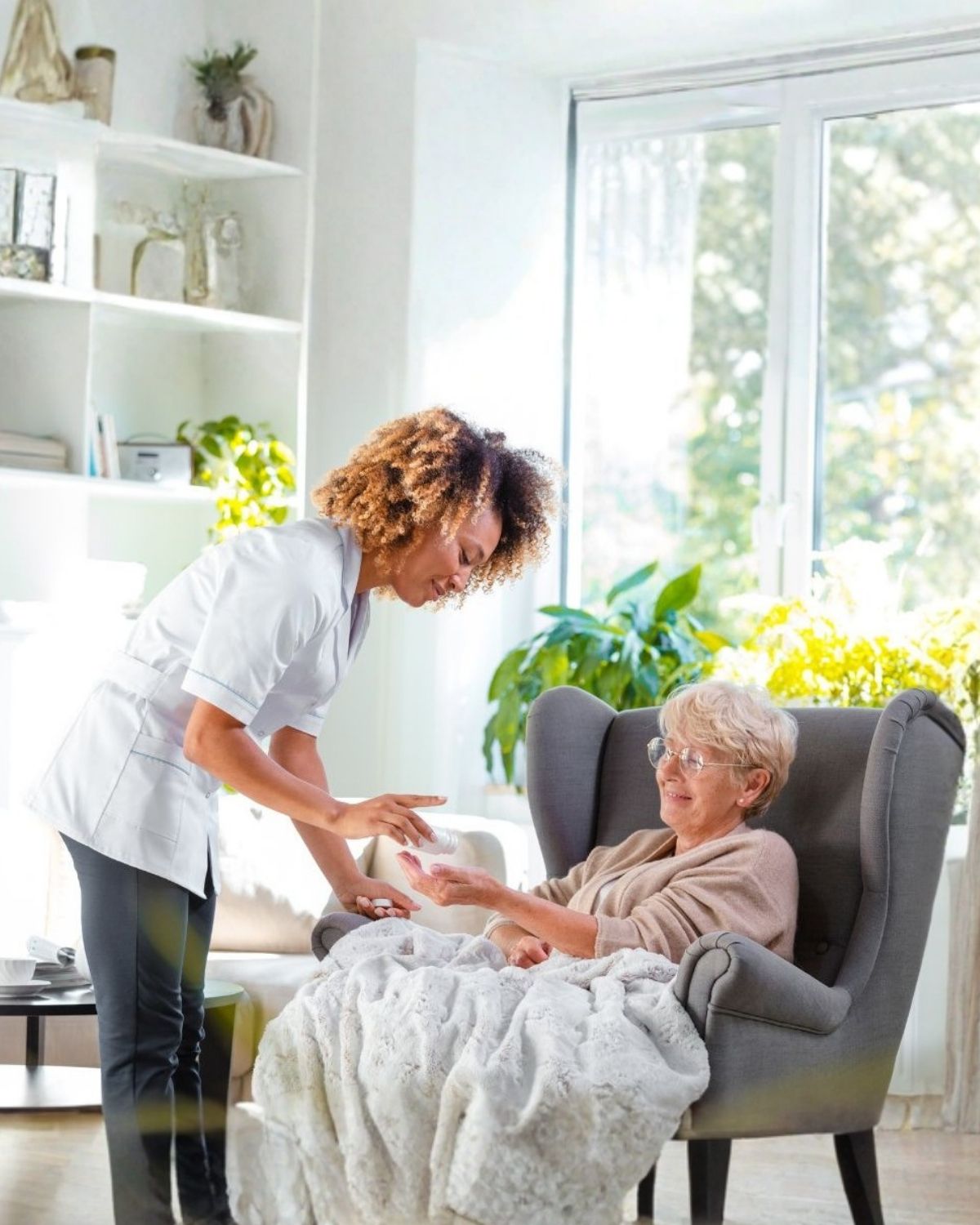
In-Home Nursing
Licensed professionals · Toronto & GTA
What do you need help with?
Select one — we'll tailor the conversation.
Is this right for you?
Every family's situation is different. If any of these sound familiar, you don't have to figure it out alone — we can help.
WHAT'S INCLUDED
Clinical care at home
Wound Care & Ostomy Care
Surgical wounds, pressure injuries, diabetic ulcers — assessed, cleaned, dressed, and monitored. We teach families what to watch for between visits.
Learn more 2Foot Care Nursing
Specialized foot care for diabetes, circulation issues, and general nail and skin health. Toenail trimming, callus care, diabetic foot assessment, and skin condition monitoring — all at home.
Learn more 3Medication Management & Falls Risk
Not just reminders — clinical administration and monitoring. We watch for the medication side effects that cause falls: dizziness, blood pressure drops, over-sedation, blood sugar crashes. We reconcile after hospital stays, when errors and fall risk are both at their highest.
Learn more 4IV Therapy & Injections
IV antibiotics, hydration therapy, B12 shots. Clinical procedures that would otherwise mean a clinic visit or hospital stay.
Learn moreCatheter & Drainage Care
Foley catheters, suprapubic catheters, wound drains, PICC lines. The ongoing management hospitals expect families to handle but never really teach.
Chronic Disease Management
Diabetes, heart failure, COPD, hypertension. We track trends and adjust care plans — not just react to crises.
Vital Signs & Fall Risk Monitoring
Blood pressure, heart rate, oxygen, blood sugar — tracked and trended. Low blood pressure on standing, rising blood sugar swings, subtle gait changes: we catch the patterns that predict falls before they happen.
Care Coordination
We talk to physicians, specialists, and pharmacists so you don't have to play telephone. Everyone stays on the same page.
After Dad's surgery, the hospital sent him home with a wound that needed daily care. I was panicking — I'm not a nurse, I don't know what infection looks like. Haven at Home sent Rebecca, who not only handled the wound care but taught me what to watch for and kept his surgeon updated. She caught a small infection early that could have sent him back to the hospital. Worth every penny.
Michael R., son | Scarborough — Post-surgical nursing care for his 78-year-old father
Not sure where to start?
THE PROCESS
How nursing care works
Clinical assessment
A nurse visits to assess your loved one's condition, review medications, understand the medical history, and identify what's needed. This is thorough — usually 60-90 minutes.
Care plan development
Based on the assessment, we create a detailed care plan: what services are needed, how often, what to monitor, when to escalate. We share this with you and, with your permission, your loved one's physicians.
Ongoing care
Your nurse visits on a regular schedule — daily, several times a week, or weekly depending on needs. They document everything, track trends, and adjust the plan as things change.
Communication
You'll get updates after visits. If something concerns us, we call. We coordinate with doctors so you're not stuck being the middleman. And we're available between visits if questions come up.
Related services
Daily living support — bathing, meals, companionship — that pairs naturally with nursing care.
Learn more Foot Care NursingProfessional foot care at home for diabetes, circulation issues, and general nail care.
Learn more Diabetes CareSpecialized support for blood sugar monitoring, insulin, and diabetic-friendly meal preparation.
Learn more Wound CareProfessional wound assessment, dressing changes, and healing management.
Learn more Palliative CareComfort, dignity, and symptom management at end of life.
Learn more Post-Surgical CareWound care, medication management, and physio bundled for surgery recovery.
Learn moreLET'S TALK
Clinical oversight that keeps them home safely
Talk to our care team about your situation. We'll help you understand what level of nursing care makes sense — and whether the medications your loved one takes are putting them at risk.
- We'll ask about your loved one's needs and daily routine
- We'll explain your care options and what they cost
- We'll answer every question you have — no sales pitch
Available 24/7